

How to Plan Professional Utility Installation (2026 Guide)
Professional utility installation involves the expert planning, trenching, and placement of essential service lines—such as water, sewer, and electricity—during site development. Hiring a specialized contractor ensures compliance with local Middle TN codes, prevents structural damage, and guarantees that your underground infrastructure is reliable, safe, and built to last.
Why is professional utility installation critical for your site?
Building a new home or commercial facility in Middle Tennessee requires a foundation that goes far beyond the concrete slab. The lifeblood of any property lies beneath the surface in the form of complex utility networks. Choosing professional utility installation means you are investing in the long-term viability of your investment. In regions like Nashville and Franklin, where the terrain can transition rapidly from soft soil to solid limestone, the technical requirements for burying lines are stringent. A professional brings the necessary heavy machinery and engineering knowledge to ensure that pipes and conduits are laid at the correct depths and slopes.
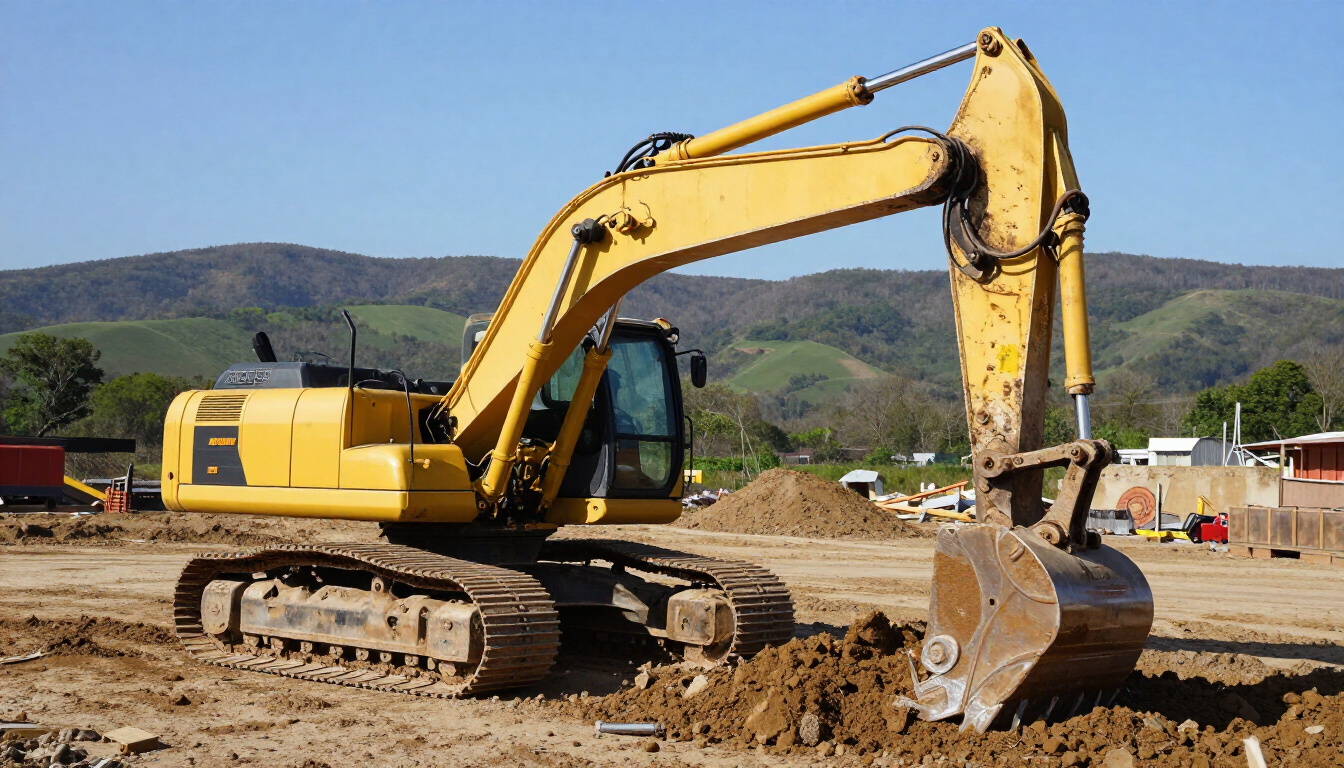
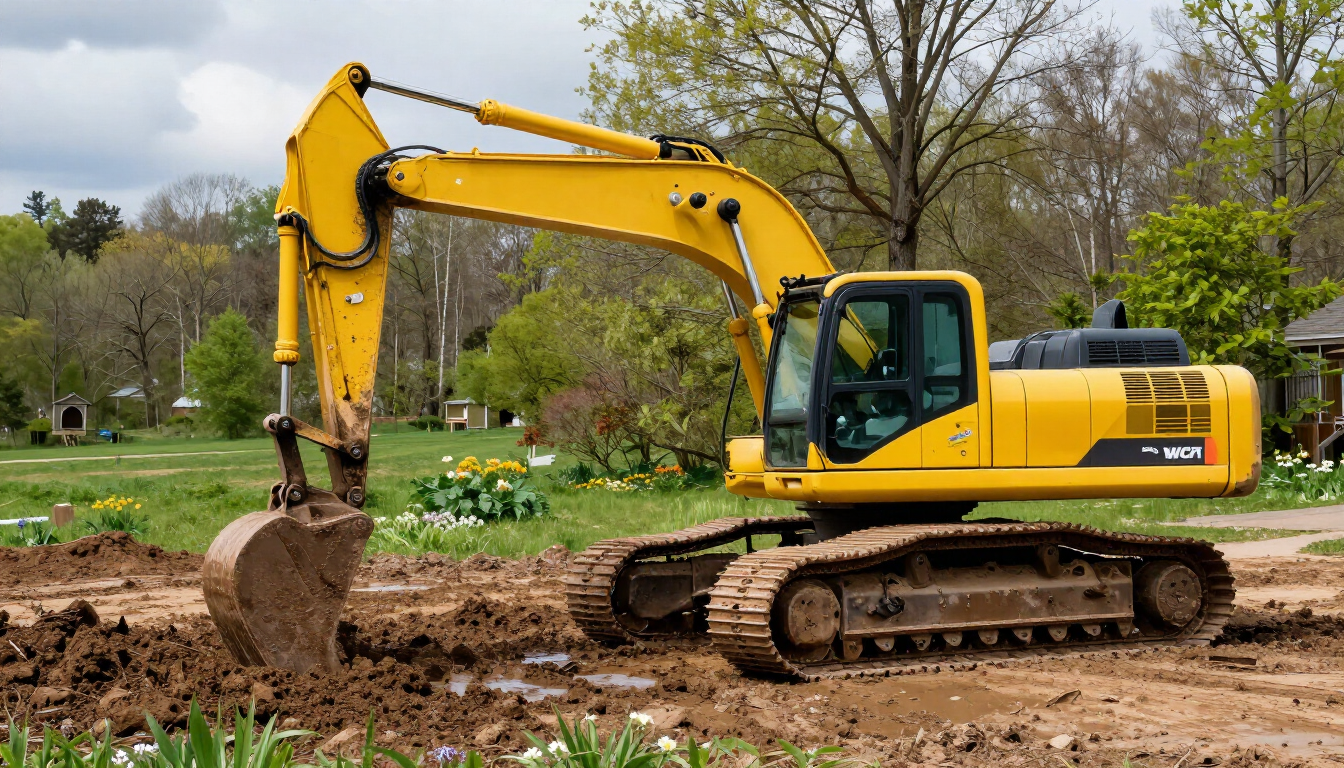
Without expert oversight, property owners often face the nightmare of "utility strikes." Striking an existing gas line or fiber optic cable can result in massive fines, service outages for the entire neighborhood, and significant safety hazards. Furthermore, improper Grading and Excavating can lead to soil shifting, which places immense pressure on underground pipes. Over time, this pressure causes cracks, leaks, or total system failures that are incredibly expensive to repair once the building is completed. By prioritizing professional installation from the start, you create a stable environment for your project to thrive.
Working with a seasoned contractor also streamlines the permitting process. Local municipalities in Murfreesboro and Hendersonville have specific codes regarding how utilities must be separated and insulated. Professionals understand these nuances, ensuring that your project passes inspections on the first try. This efficiency is crucial for maintaining your construction timeline and avoiding the bureaucratic bottlenecks that often plague unmanaged job sites.
Essential Utility Services for Tennessee Properties
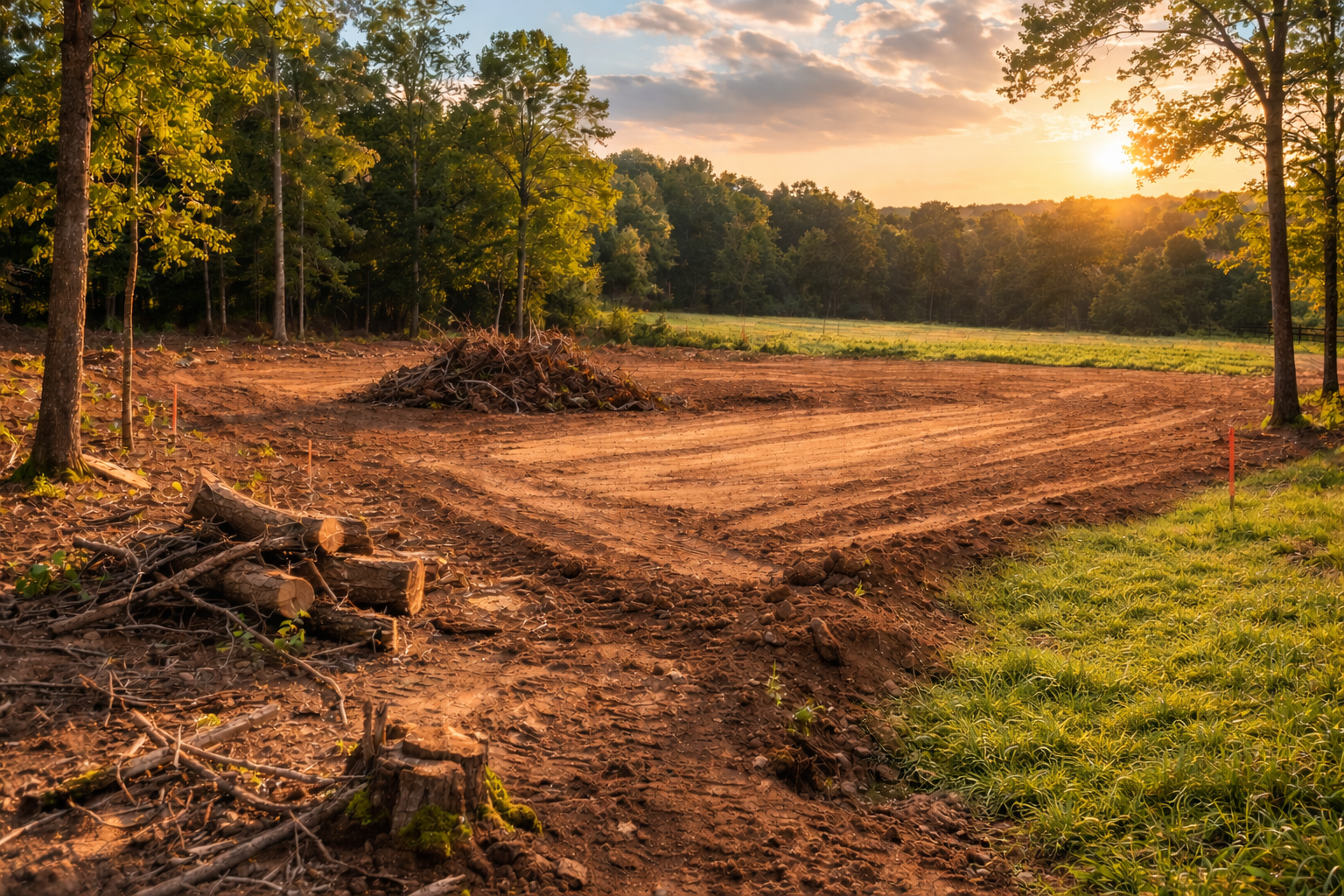
When developing land in Middle Tennessee, several core utility systems must be integrated seamlessly into the site plan. Each system has unique requirements for material, depth, and connectivity. Understanding these components helps property owners appreciate the complexity involved in the early stages of construction. A comprehensive site preparation strategy includes:
- Water Main Connection: Running durable piping from the municipal source to the structure.
- Sanitary Sewer Systems: Installing gravity-fed or pressure lines to manage waste removal.
- Electrical Conduits: Burying protective housing for power lines to prevent weather-related outages.
- Communication Lines: Trenching for high-speed fiber optic and telephone connectivity.
- Storm Drainage: Managing rainwater runoff to prevent site erosion and flooding.
For properties located in more rural parts of Middle Tennessee, municipal sewer lines may not be available. In these instances, a specialized Septic and Sewer Systems installation is required. This involves not only trenching but also the placement of septic tanks and the engineering of a drain field. The soil composition in our area—often heavy in clay—requires specific percolation testing to ensure the ground can handle the liquid waste. This is another area where professional expertise is non-negotiable to prevent environmental contamination and system backups.
How does rock trenching impact project timelines?
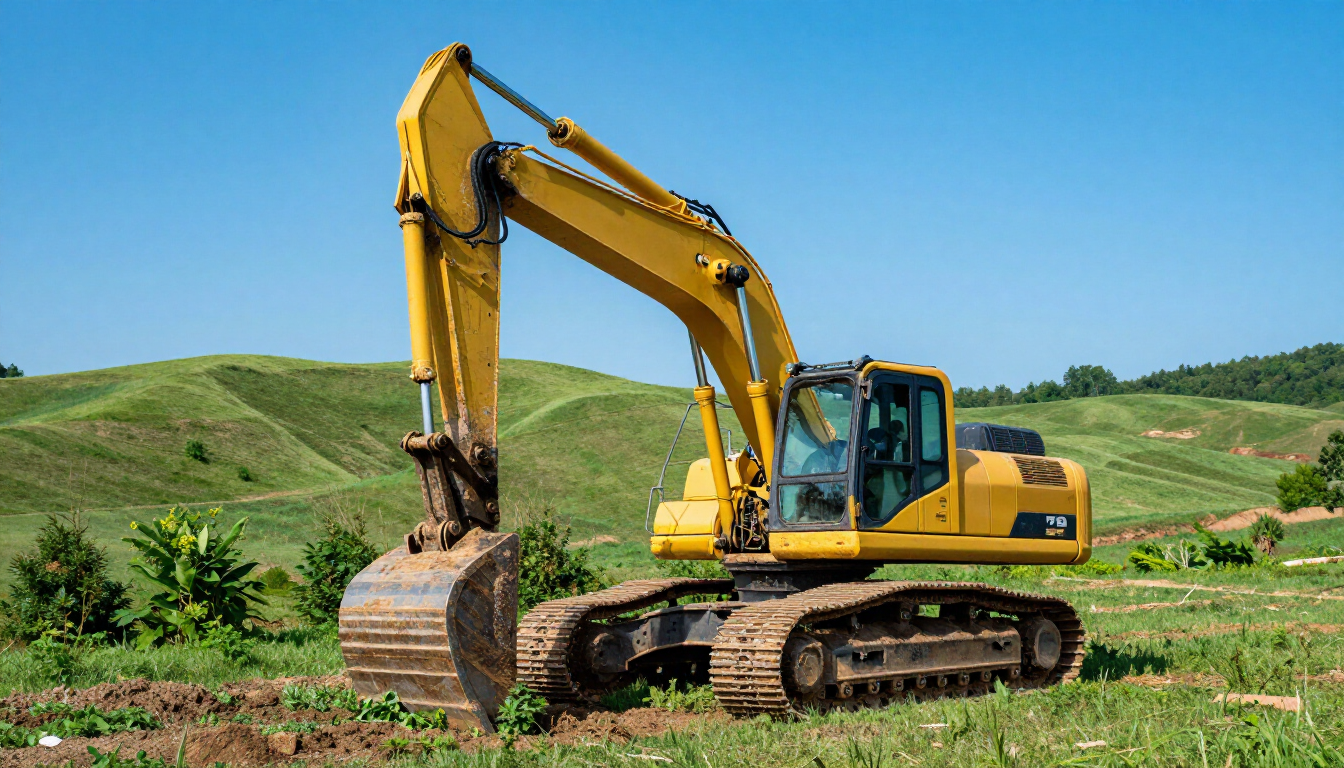
One of the most unique challenges of construction in the Nashville basin is the prevalence of shallow bedrock. Often referred to as "Tennessee Blue Rock," this hard limestone can bring a standard excavation project to a grinding halt if the contractor isn't prepared. Professional Rock Trenching services are essential when utility lines must be buried deeper than the surface soil allows. Standard buckets on small excavators simply cannot penetrate this material; instead, specialized rock saws or hydraulic hammers are required.
If rock is encountered and not properly managed, it can delay a project by weeks. Professional contractors perform site surveys and