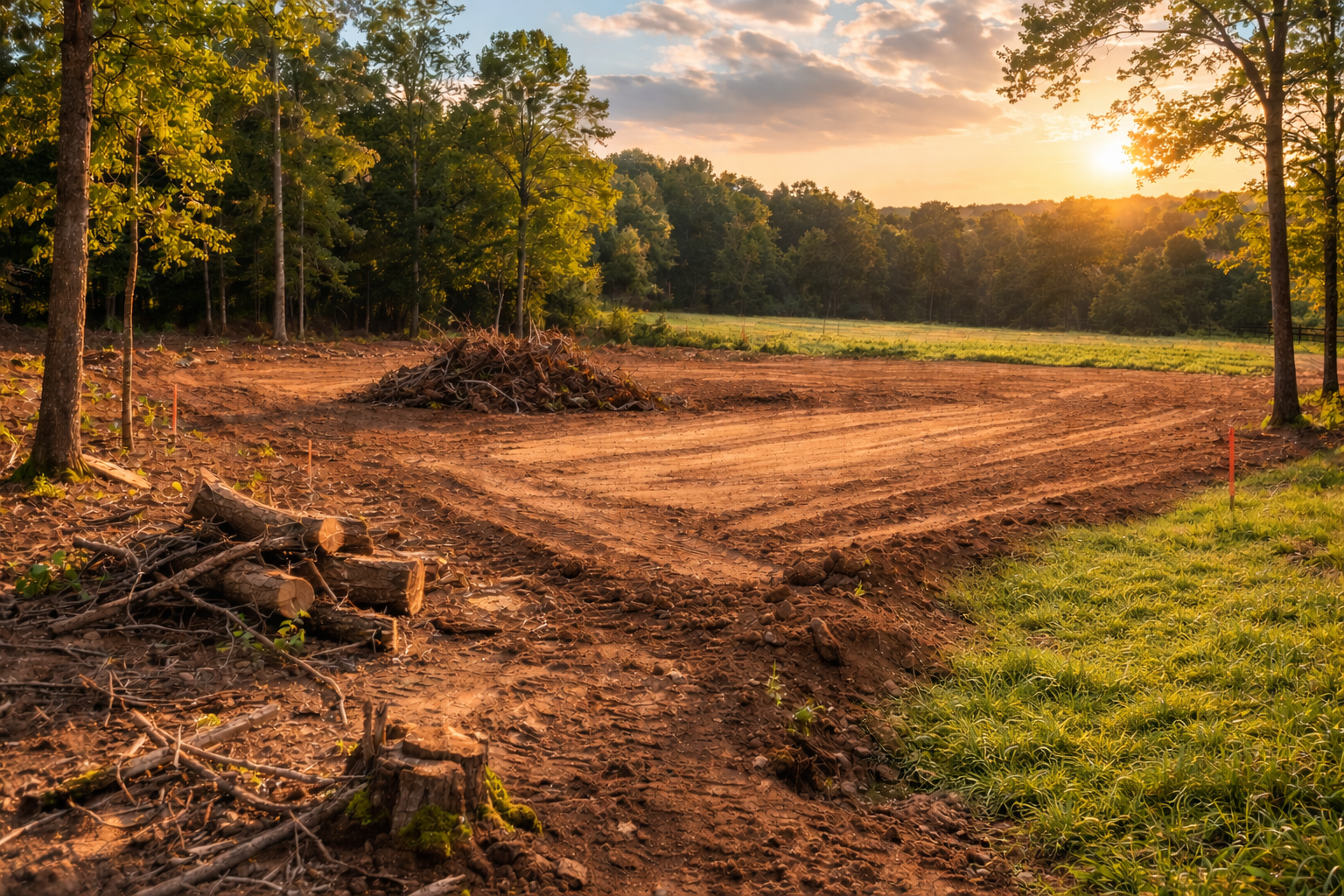

How to Fix Middle Tennessee Drainage Problems in 2026
Spring rain in Middle Tennessee often leads to standing water and soil erosion due to the region's dense clay soil and limestone bedrock. Professional Middle Tennessee drainage solutions, such as land grading, culvert installation, and erosion control, are essential to redirect water flow and prevent long-term foundation or property damage.
For residents in Nashville, Franklin, and Murfreesboro, the arrival of spring is a double-edged sword. While the lush greenery is a staple of our beautiful landscape, the heavy rainfall that accompanies the season often turns yards into swamps and driveways into rivers. Middle Tennessee’s unique geography—characterized by shallow topsoil and a thick layer of non-porous clay—means that water has nowhere to go once the surface is saturated. Without proper intervention, this water can seep into crawlspaces, rot fence posts, and wash away expensive landscaping. Understanding how to manage this seasonal deluge is the first step in protecting your investment.
Why does spring rain cause so much damage in Middle Tennessee?
The primary culprit behind our local drainage woes is the soil composition. In much of Middle Tennessee, we deal with "fat clays" that expand when wet and shrink when dry. These soils have very low permeability, meaning they do not absorb water quickly. When we experience several inches of rain in a 24-hour period, the water simply sits on top of the ground. This leads to "ponding," which can drown grass and create breeding grounds for pests.
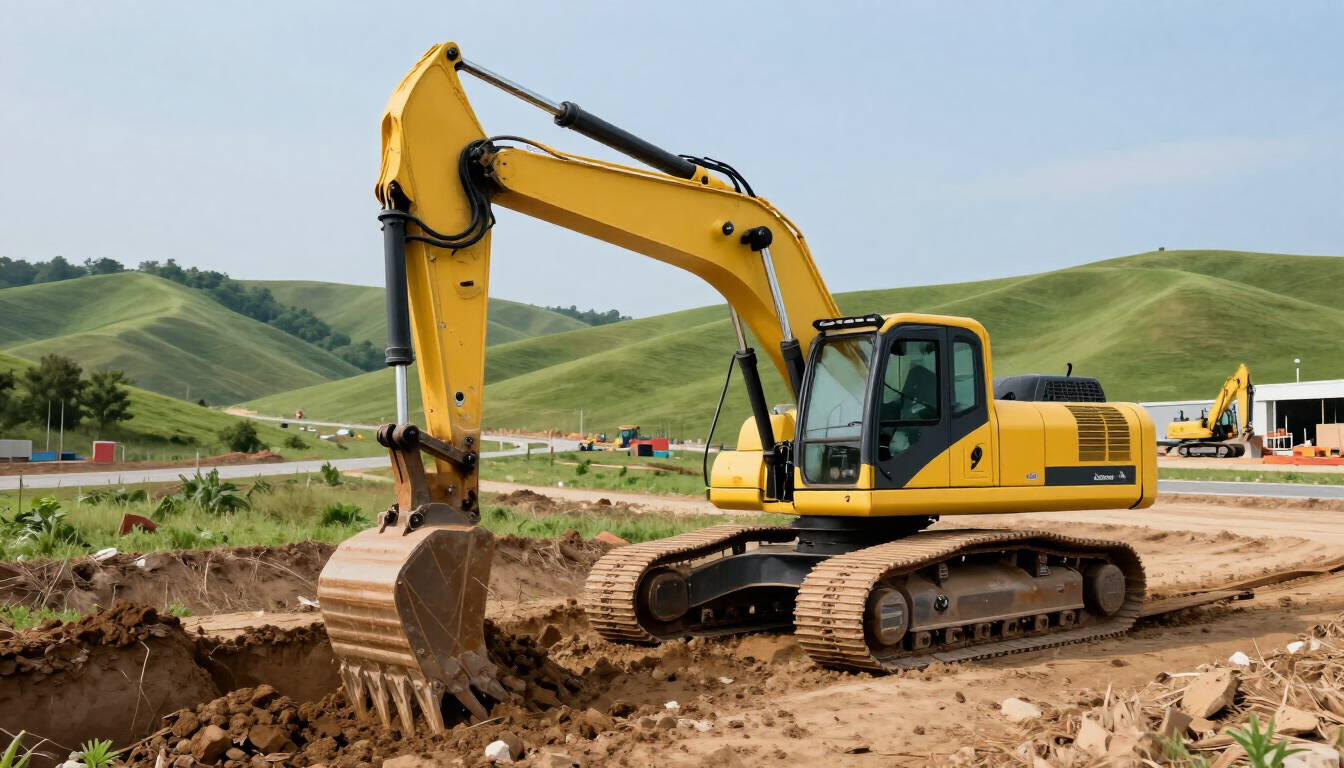
Furthermore, the topography of the Nashville basin involves many rolling hills and valleys. If your property is at the bottom of a slope, you aren't just dealing with the rain that falls on your lot; you are dealing with the runoff from every neighbor above you. This concentrated volume of water gains velocity as it moves, leading to significant soil displacement. To combat this, professional Grading and Excavating is required to reshape the land so that water is encouraged to move around structures rather than toward them. Without a planned exit strategy for rainwater, the sheer weight of the water-logged soil can exert "hydrostatic pressure" against your home's foundation, leading to cracks and leaks that cost thousands to repair.
Common signs of property drainage failure
Identifying a problem early can save you from a total property overhaul. Many landowners ignore small signs of poor drainage until a major storm causes a catastrophic failure. If you notice any of the following, it is time to consult a professional contractor:
- Standing Water: Puddles that remain 24 to 48 hours after the rain has stopped.
- Foundation Seepage: Dampness or actual standing water in your basement or crawlspace.
- Soil Erosion: Deep gullies forming in your yard or mulch being washed out of flower beds.
- Mosquito Infestations: Excessively damp areas that never fully dry out, attracting insects.
- Dying Vegetation: Yellowing grass or rotting tree roots caused by "wet feet" or lack of oxygen in the soil.
These issues are rarely self-correcting. In fact, erosion tends to accelerate over time as the water carves deeper paths into your soil, making the eventual repair more complex and expensive. Addressing these signs with targeted Erosion Control measures is the best way to maintain property value and usability.
How does professional grading fix standing water?
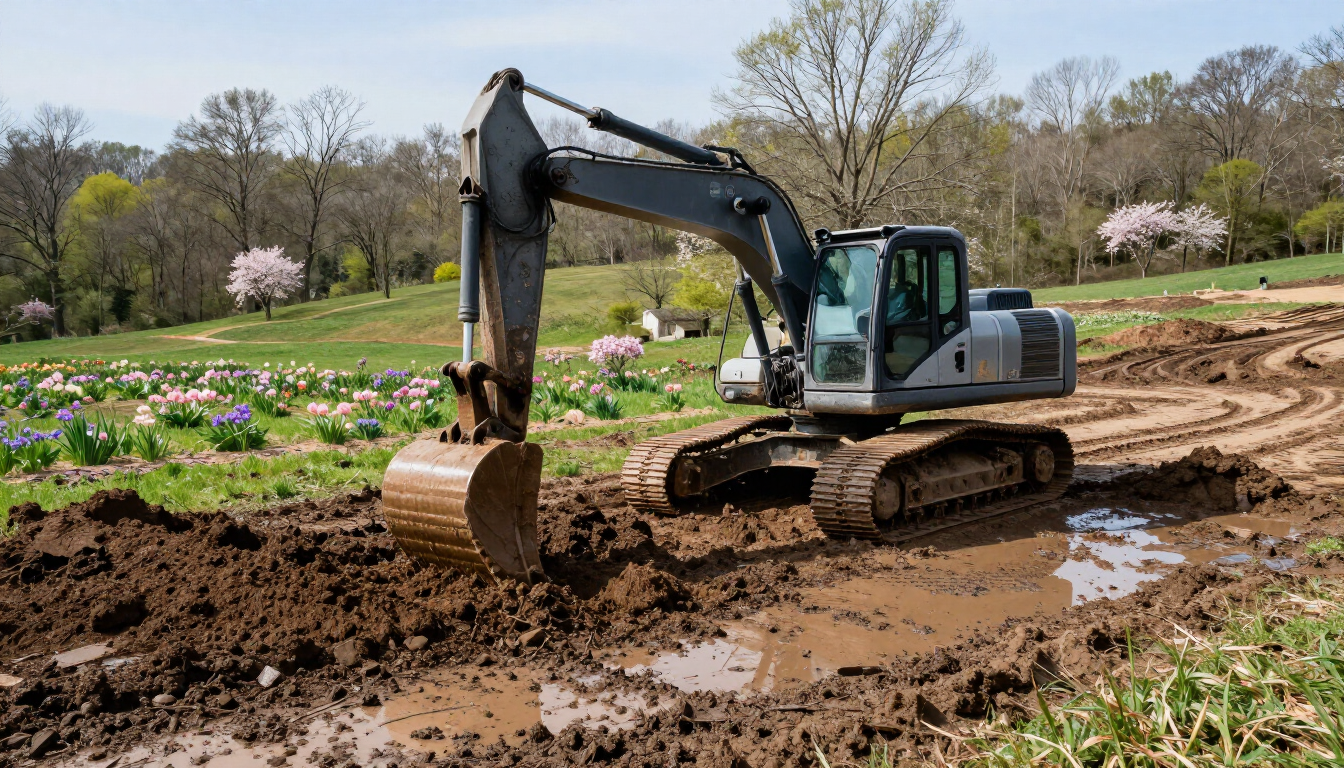
Professional land grading is the most effective way to address Middle Tennessee drainage solutions. The process involves more than just moving dirt around; it requires a precise understanding of elevation and water hydraulics. A contractor will use specialized equipment to create a "positive grade," which ensures the ground slopes away from your home at a minimum of 2% (a quarter-inch drop per foot).
In many cases, we utilize "swales"—wide, shallow, grass-lined channels—to catch runoff and direct it toward a safe discharge point, such as a storm drain or a wooded area. Swales are an excellent aesthetic choice because they blend into the natural landscape while performing a critical mechanical function. For properties with severe water volume, we might implement a French drain system, which involves a perforated pipe buried in a trench filled with gravel. This allows water to be absorbed from the surface and transported quickly underground. Because we often encounter the region's famous limestone during these projects, Rock Trenching is sometimes necessary to create deep enough channels for these pipes to function correctly during high-flow events.
The critical role of culverts and rock trenching
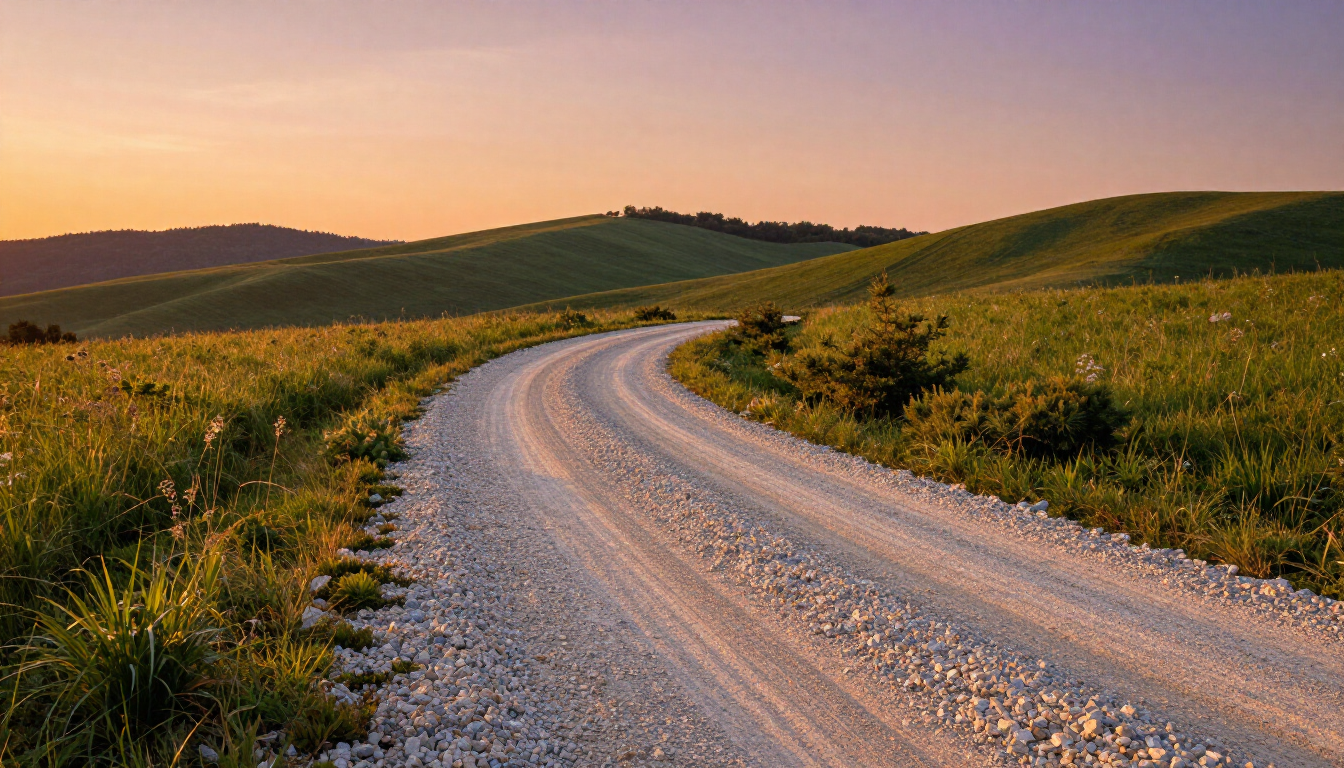
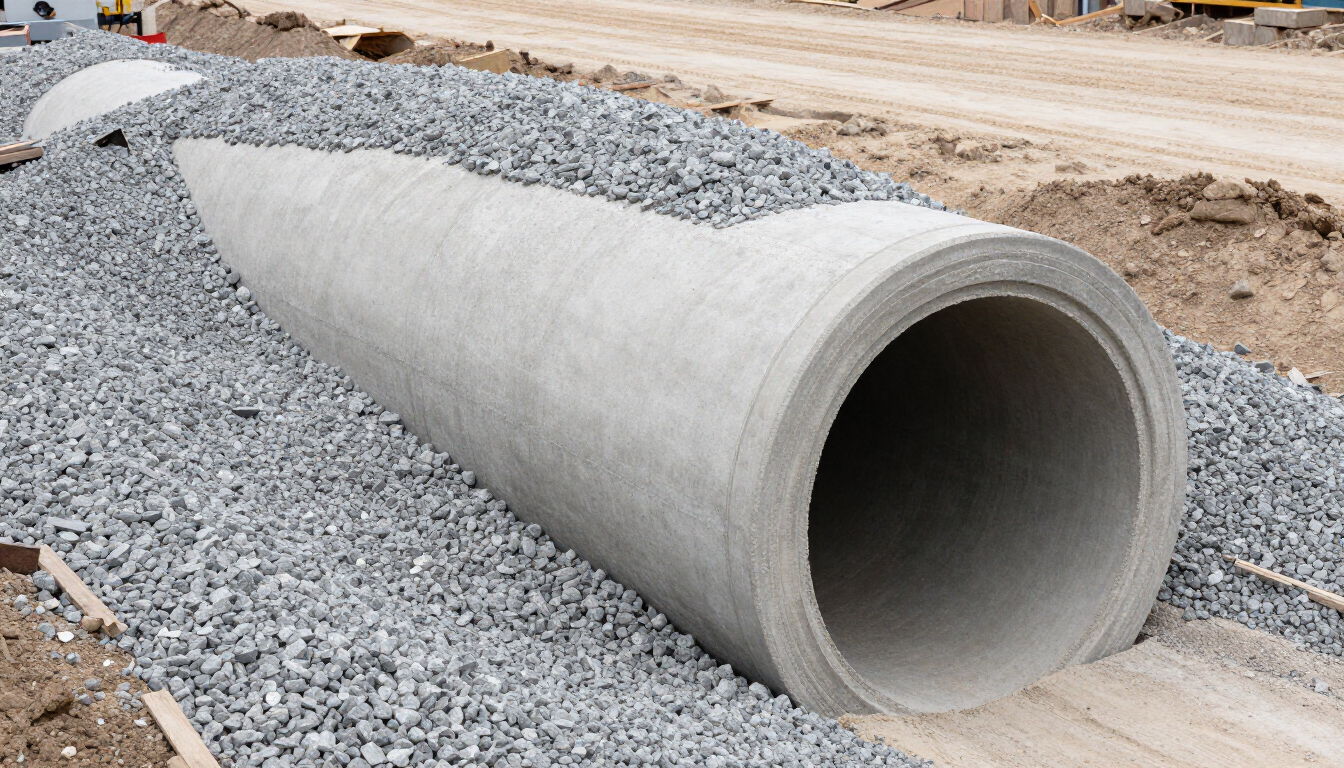
For rural property owners and farmers in Middle Tennessee, driveways often cross natural drainage paths or small wet-weather creeks. During spring rains, these crossings can wash out if they aren't equipped with a properly sized culvert. A culvert is a pipe or structural channel that allows water to pass under a road or driveway without obstructing the flow. If the culvert is too small, water will back up and eventually overtop the road, stripping away gravel and soil.
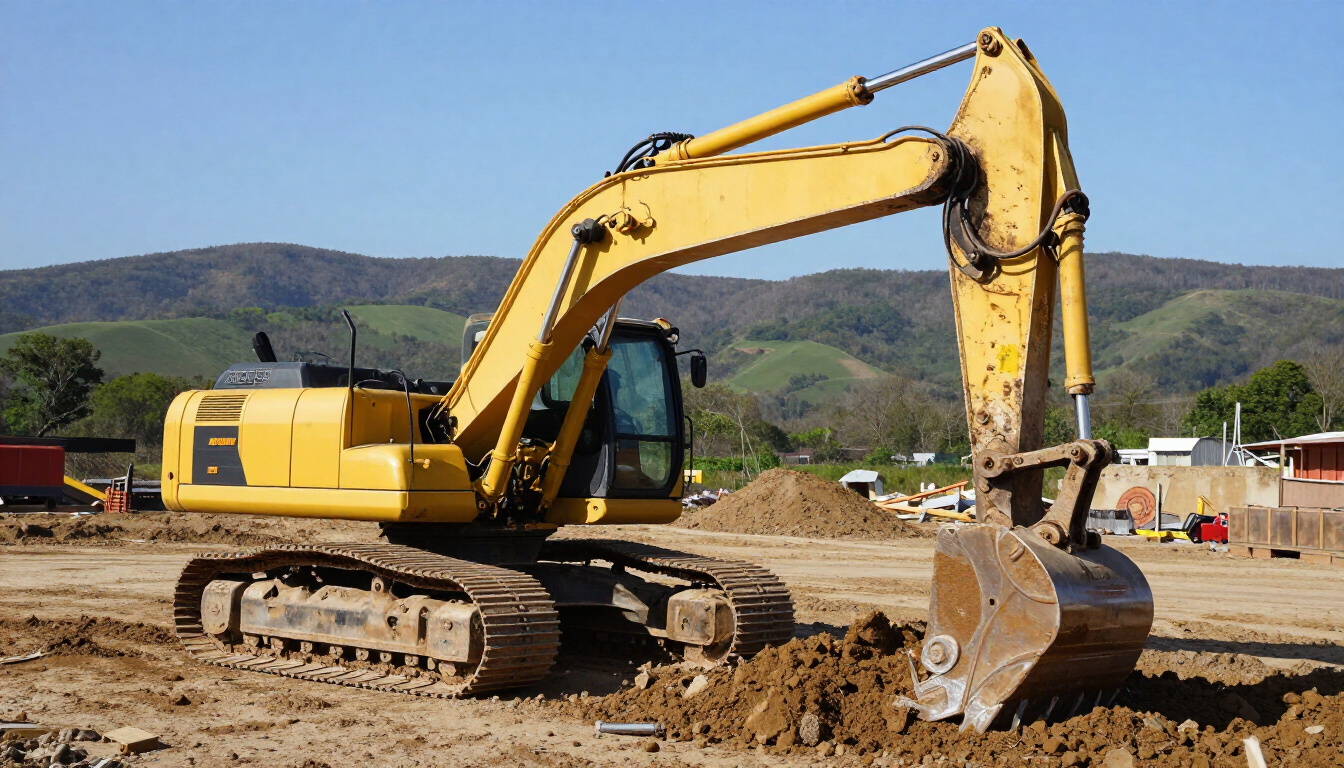
Installing a culvert requires careful excavation. We must ensure the pipe is set at the correct pitch to maintain water velocity—too slow, and it will clog with silt; too fast, and it will cause erosion at the exit point. In the rocky terrain of Middle Tennessee, reaching the necessary depth often requires heavy-duty rock saws or hammers. This is where professional Utilities experience becomes invaluable. We don't just dig a hole; we engineer a passage that can withstand the weight of heavy vehicles while managing the force of a flash flood. Proper bedding with the right aggregate is also essential to prevent the pipe from shifting or collapsing over time due to the freeze-thaw cycles we see in the transition from winter to spring.
Can erosion control save your property’s topsoil?
Erosion is a silent thief. It slowly strips away the most nutrient-rich part of your land, leaving behind hardpan clay or exposed rock. In Middle Tennessee, where topsoil is already thin, losing even an inch can affect the health of your pastures or gardens for years. Effective Erosion Control involves both temporary and permanent solutions designed to stabilize the earth during and after heavy rain events.
Common techniques include:
- Silt Fencing: A temporary barrier used during construction to prevent sediment from leaving the site.
- Riprap: Large, angular rocks placed along creek banks or steep slopes to break the energy of flowing water.
- Erosion Control Blankets: Biodegradable mats that hold seed and soil in place while grass establishes itself.
- Check Dams: Small, temporary dams placed in swales to slow water velocity and let sediment settle.
- Hydroseeding: A mixture of seed, mulch, and fertilizer sprayed onto slopes for fast-growing ground cover.
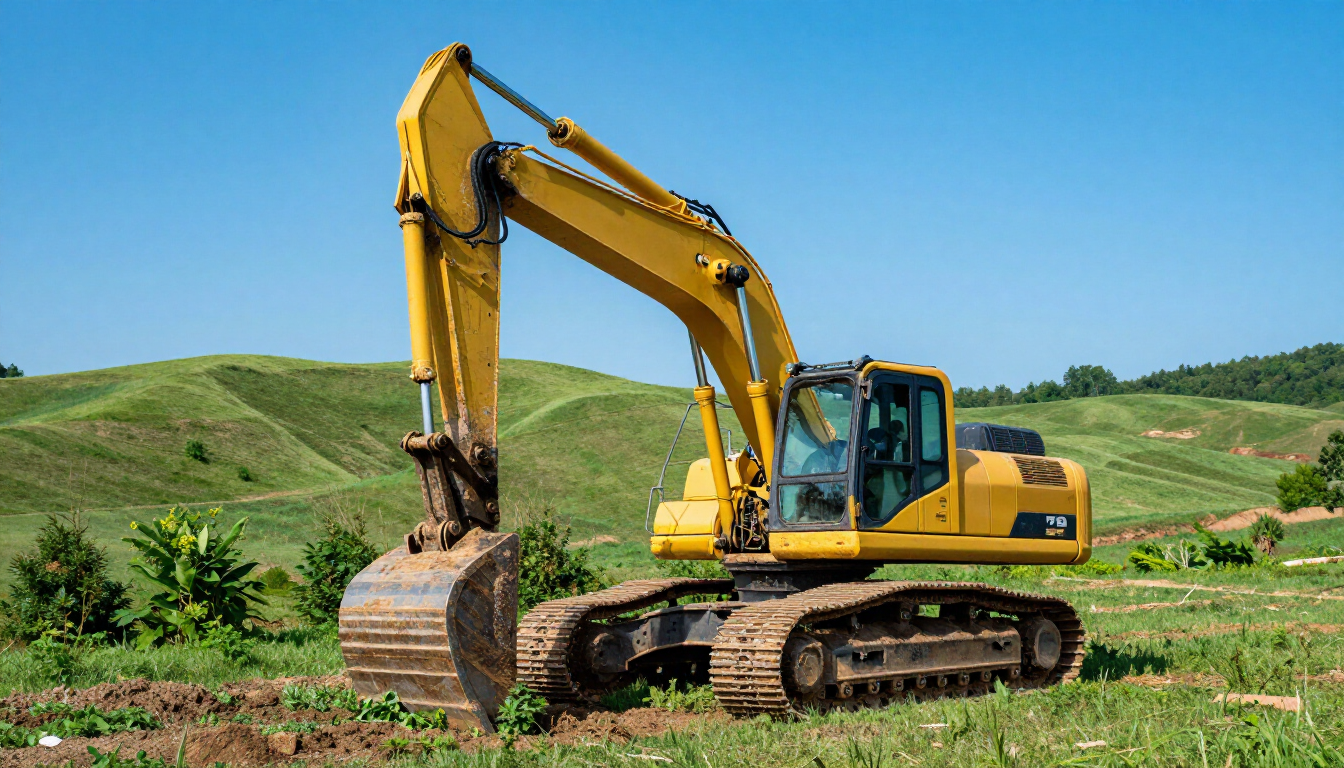
By slowing the water down, we allow it to filter into the ground or travel safely without carrying your soil with it. This is especially important for landowners who have recently undergone Land Clearing . Once trees and brush are removed, the soil is incredibly vulnerable. We always recommend a stabilization plan immediately following any clearing or grading work to ensure the new contours of the land remain intact throughout the rainy season.
Why underground utilities require expert trenching
Heavy rain doesn't just affect the surface; it impacts everything buried beneath it. If your water lines, electrical conduits, or communication cables were installed in poorly compacted trenches, the spring rains could lead to "trench settlement." This occurs when water saturates the loose fill-dirt in a trench, causing it to sink and creating a hazardous depression on the surface. In worse cases, the moving soil can put stress on the pipes themselves, leading to leaks or breaks.
In our region, Utilities trenching is often a battle against the elements and the earth. We prioritize using high-quality backfill and proper compaction techniques to ensure that the ground stays level, regardless of how much rain falls. Furthermore, for property owners installing or replacing Septic and Sewer Systems , drainage is the single most important factor. A septic drain field that becomes flooded with surface runoff will fail to process waste correctly, leading to backups into the home and environmental contamination. We integrate surface drainage solutions with utility installation to keep your essential services dry and functional year-round.
Preparing your Middle Tennessee land for the next storm
Investing in professional Middle Tennessee drainage solutions is not just about aesthetics; it is about long-term property preservation. While a DIY approach might work for a small garden bed, large-scale water management requires heavy equipment and an understanding of civil engineering principles. By the time you see a massive gully in your yard or water in your crawlspace, the damage is already underway. Taking proactive steps now—before the next major spring storm system rolls through—will save you stress and money in the long run.
Our team specializes in the specific challenges of the Nashville area. From the rock-hard limestone of Franklin to the clay-heavy soils of Murfreesboro, we have the experience to design a custom grading and drainage plan that works for your specific lot. Whether you are a homeowner dealing with a wet backyard or a developer preparing a multi-home site, our focus is on creating a stable, dry environment that stands the test of time.
Summary of Drainage Best Practices
To ensure your property remains protected during the wet spring months, keep these core takeaways in mind:
- Prioritize Grading: Ensure all land slopes away from foundations to prevent structural water damage.
- Maintain Culverts: Regularly clear debris from driveway pipes to prevent washouts and road failure.
- Use Erosion Barriers: Protect exposed soil with riprap or vegetation to prevent the loss of valuable topsoil.
- Check Utility Trenches: Watch for sinking soil over buried lines, which indicates poor compaction or water intrusion.
- Consult Professionals: Local experts understand the clay and rock challenges unique to Middle Tennessee geology.
If you are ready to reclaim your yard and protect your property from the elements, learn more About Us and our commitment to quality excavation. Don't let the spring rains dictate the health of your land. Contact us today for a consultation and let us help you build a solid, dry foundation for the future.
Recent Posts