
Gravel Driveway Repair: Fix Washouts and Potholes
Gravel driveway repair is the process of restoring a driveway’s surface and structural integrity through professional grading, drainage correction, and the application of new aggregate. In Middle Tennessee, this typically involves reshaping the land to ensure water sheds away from the drive, preventing potholes, ruts, and washouts.
Why is my gravel driveway washing out?
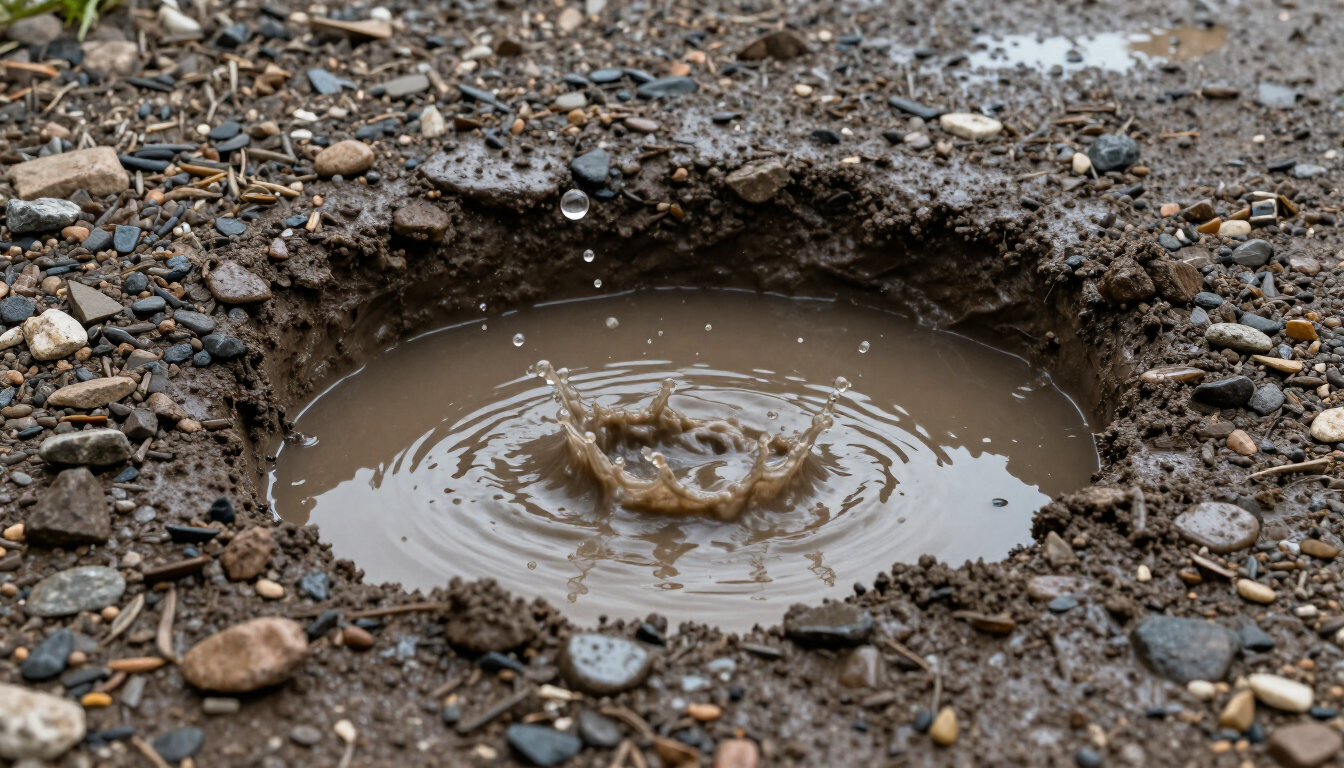
If you live in Middle Tennessee, you are likely no stranger to the sight of gravel migrating from your driveway into your yard or the nearby ditch after a heavy storm. Washouts are primarily caused by uncontrolled water flow. When rain falls on a flat or improperly sloped surface, it doesn't just sit there; it gains momentum and volume, carving paths through the loose stone. This is especially prevalent in areas like Nashville and Franklin, where the terrain can transition quickly from flat basins to rolling hills.
Several factors contribute to these frustrating washouts:
- Lack of a Crown: Without a high point in the center of the driveway, water sits on the surface.
- Inadequate Side Ditches: Water has nowhere to go once it leaves the driveway surface.
- Steep Gradients: Gravity pulls both water and stone downhill during flash floods.
- Poor Compaction: Loose gravel is easily displaced by moving water.
- Heavy Runoff: Water from roofs or higher pastures directed onto the driveway.
When water is allowed to run down the length of a driveway rather than across it to the sides, it acts like a river, stripping away the expensive top layers of stone and leaving behind deep gullies. This not only makes the drive difficult to navigate for standard vehicles but also compromises the base layer, making future repairs more expensive and labor-intensive.
How does heavy rain damage Middle TN driveways?
Middle Tennessee experiences a unique climate and geological profile that can be particularly harsh on gravel surfaces. We often deal with intense, short-duration rainfall events that drop inches of water in an hour. Because our soil often has a high clay content or sits atop shallow limestone shelves, the ground can become saturated quickly. Once the soil can no longer absorb moisture, the excess water becomes surface runoff.
This runoff is the primary enemy of your driveway. As water flows over the gravel, it picks up the "fines"—the tiny particles of rock and dust that act as the glue holding your driveway together. Once these fines are washed away, the larger stones become loose and unstable. This leads to "washboarding," where the driveway develops a series of small, rhythmic ridges that cause vehicles to vibrate violently. Without the structural support of those smaller particles, your driveway essentially becomes a pile of loose rocks rather than a solid, drivable surface. Addressing these issues early with erosion control measures is essential for protecting your property investment.
Professional grading techniques for long-lasting driveways
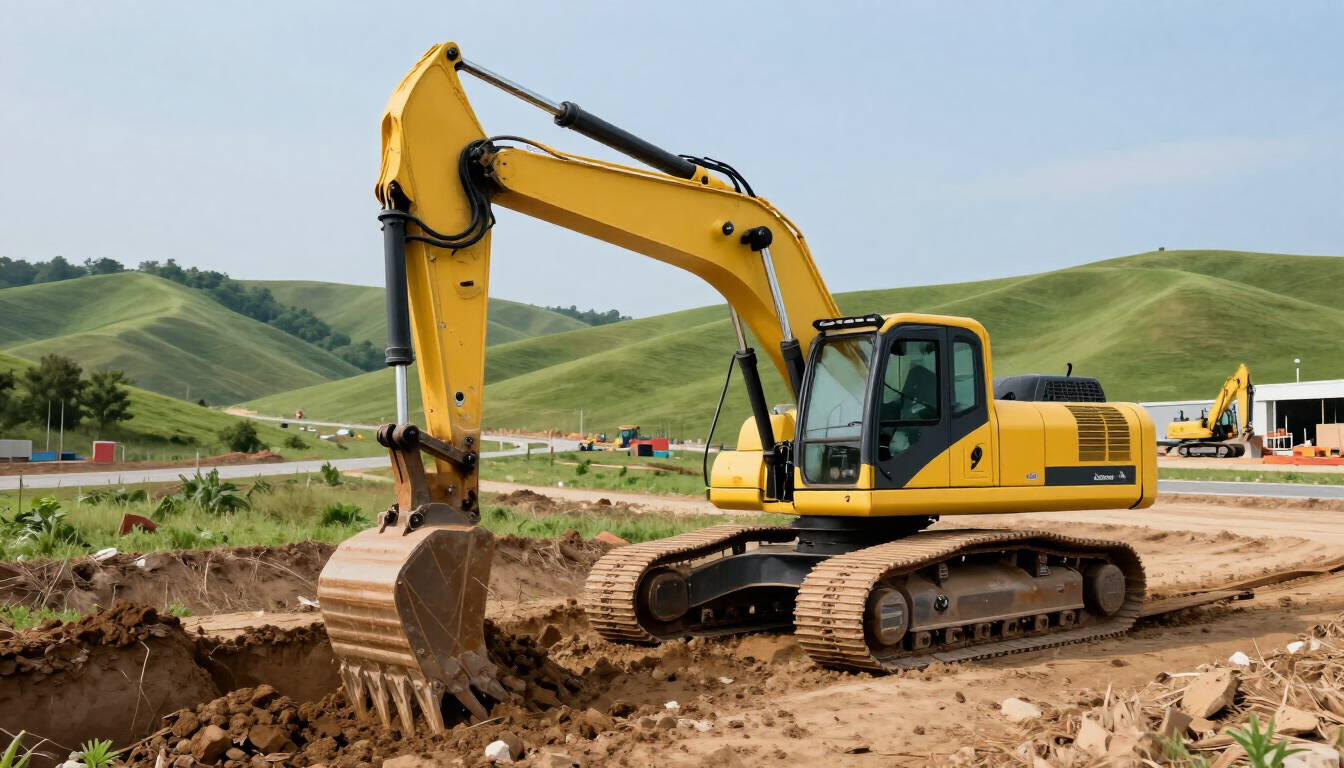
Simply dumping a new load of gravel over existing potholes is a temporary fix that rarely lasts through the next season. True gravel driveway repair requires professional grading and excavating to address the root of the problem. A professional contractor uses specialized equipment, such as skid steers, motor graders, or box blades, to