
What Are Excavation Services? (Middle TN Guide)
Excavation services involve moving earth, rock, and materials to prepare sites for construction projects. These services include land clearing, grading, trenching, and soil stabilization. Professional excavation creates a level foundation and manages drainage, which is essential for the safety and structural integrity of any building project in Middle Tennessee.
What do excavation services include?
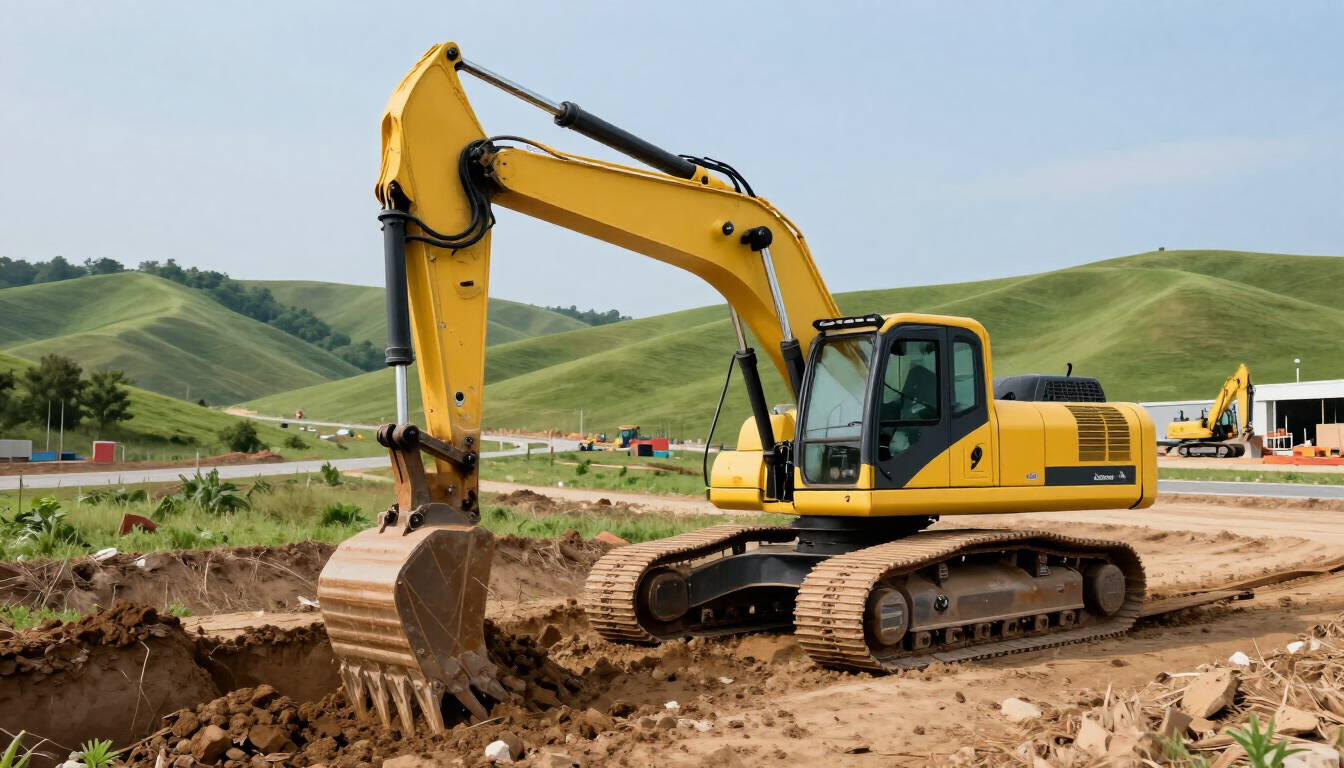
When people hear the term excavation, they often envision a large yellow machine digging a massive hole in the ground. While digging is certainly a significant part of the job, the scope of excavation services is much broader and more technical than simply moving dirt. In Middle Tennessee, excavation is the foundational step of any construction project, whether you are building a single-family home in Franklin or developing a large commercial site in Nashville. It encompasses every activity required to transform a raw piece of land into a buildable site that meets engineering standards and local building codes.
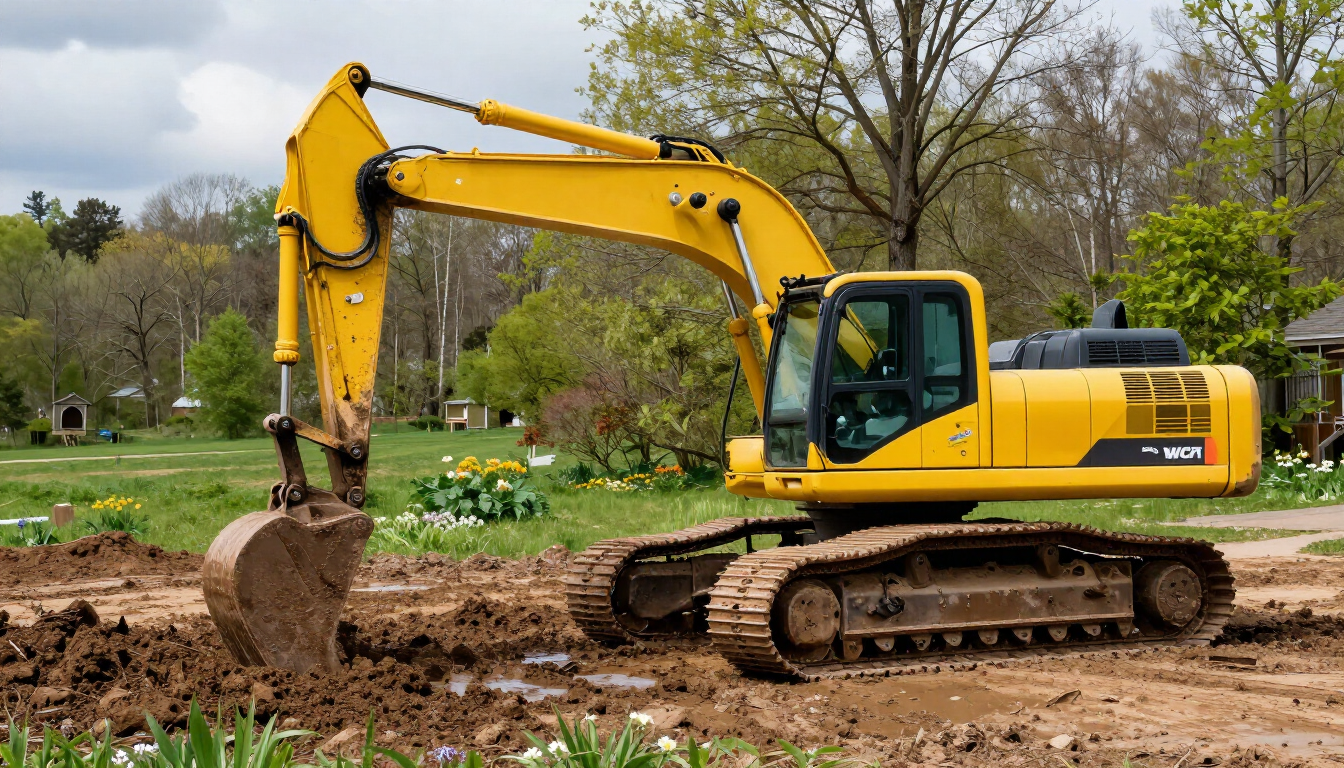
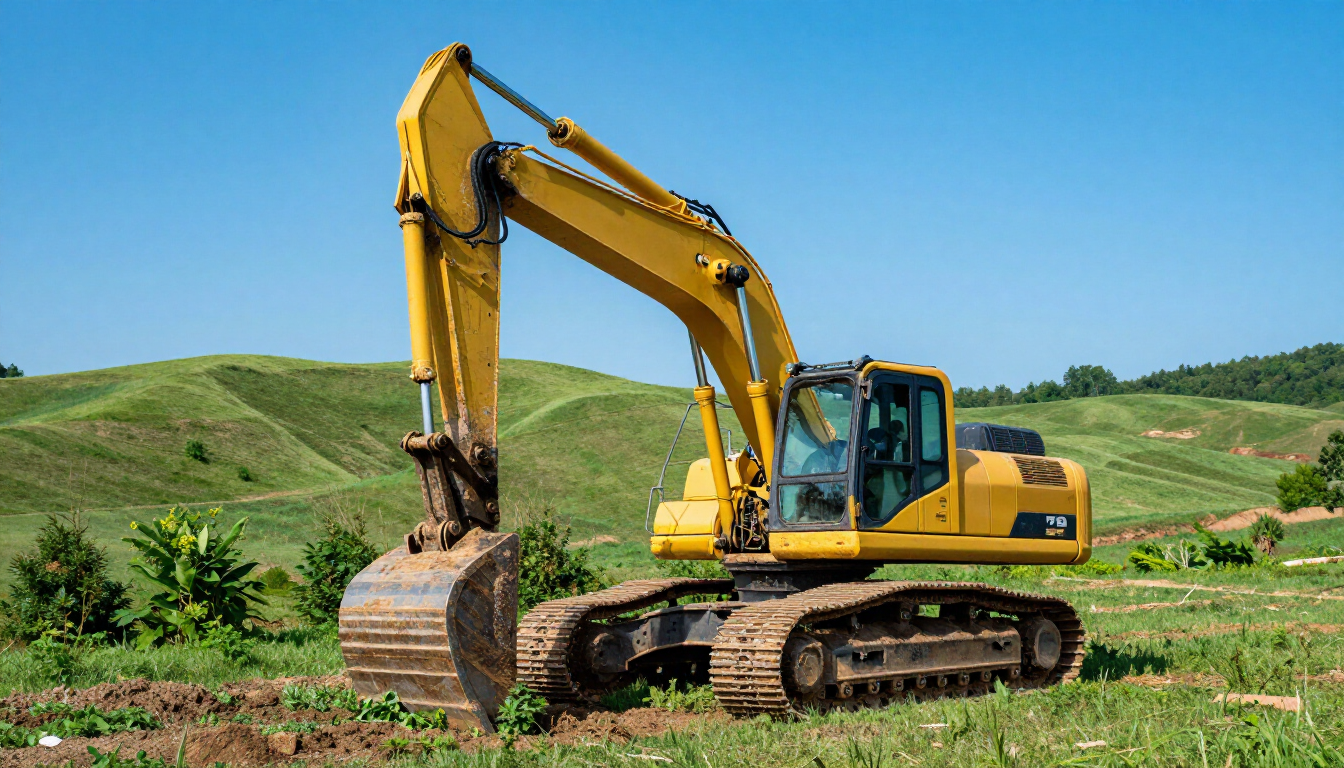
Modern excavation contractors utilize a variety of heavy machinery, including excavators, bulldozers, backhoes, and skid steers, to manipulate the earth. These professionals are responsible for identifying the soil composition, determining the necessary depth for foundations, and ensuring that the ground can support the weight of the future structure. Beyond the physical digging, the service includes hauling away excess debris, bringing in structural fill dirt, and managing environmental factors like silt and erosion. Because every site is unique, the services are tailored to the specific topography and geological needs of the property, ensuring that the ground beneath your feet is as stable as the structure itself.
The key phases of site preparation
Successful construction starts long before the first brick is laid; it begins with a meticulous site preparation process. Site preparation is the comprehensive series of steps that prepare the raw ground for the upcoming construction activities. This phase ensures that the site is clean, level, and accessible for other trades. Without thorough site preparation, a project could face significant delays, foundation failures, or drainage issues that cost thousands of dollars to repair later. In our region, professional grading and excavating teams follow a strict sequence to guarantee success.
Typically, site preparation involves several distinct sub-tasks that transition the land through various stages of development:
- Initial site surveying and staking to mark boundaries.
- Clearing the site of vegetation, trees, and existing structures.
- Rough grading to establish the basic shape of the landscape.
- Soil testing to ensure the ground can handle the projected load.
- Implementation of temporary erosion control measures for safety.
Once these preliminary steps are completed, the site is ready for more specific work like utility installation and foundation digging. Each phase requires specialized knowledge of local soil conditions and environmental regulations. By following a structured approach, contractors minimize the risk of unforeseen obstacles, such as hitting an underground spring or finding buried debris that could compromise the build. Site preparation is effectively the blueprint for the physical reality of your construction project.
How does land clearing prepare your land?
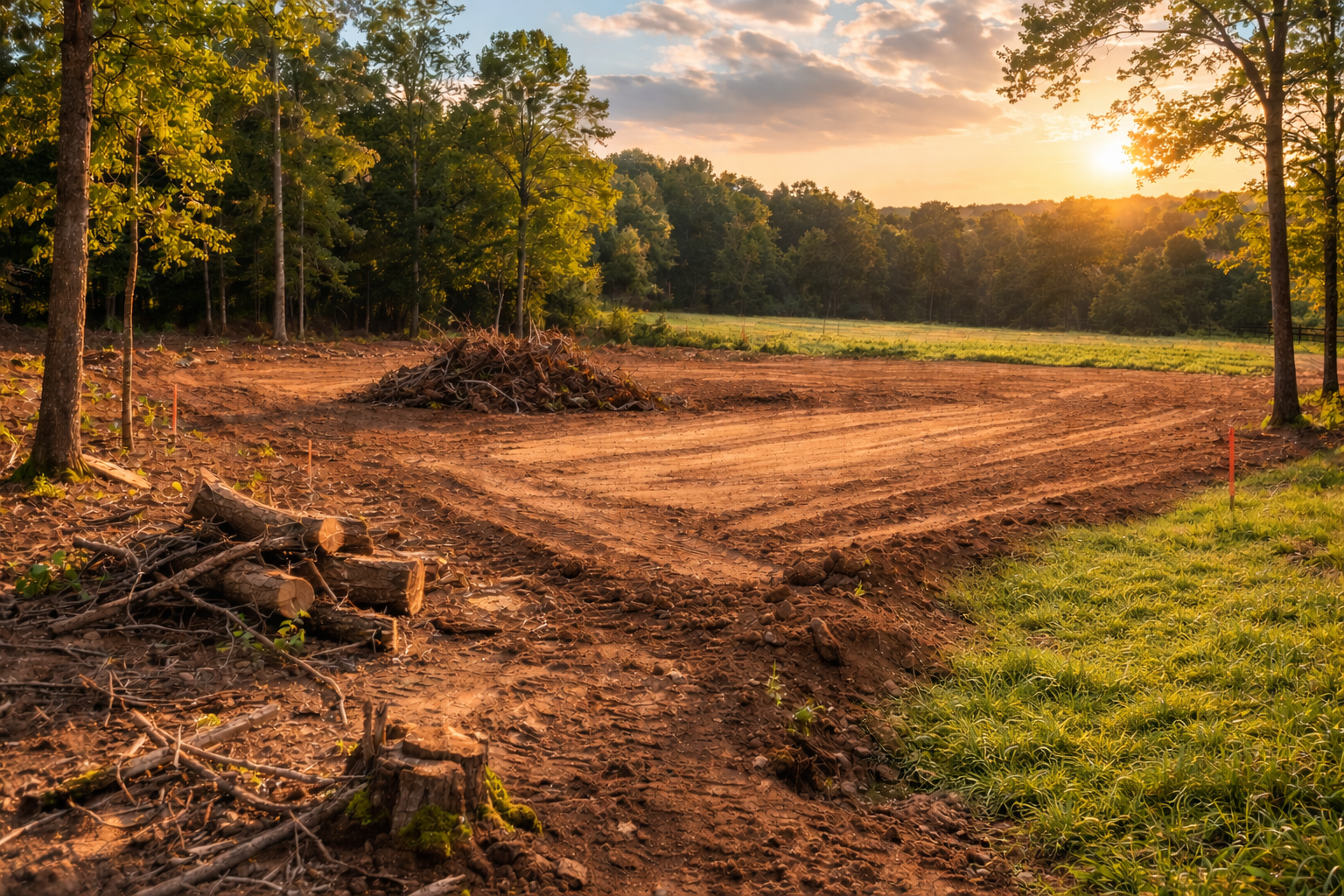
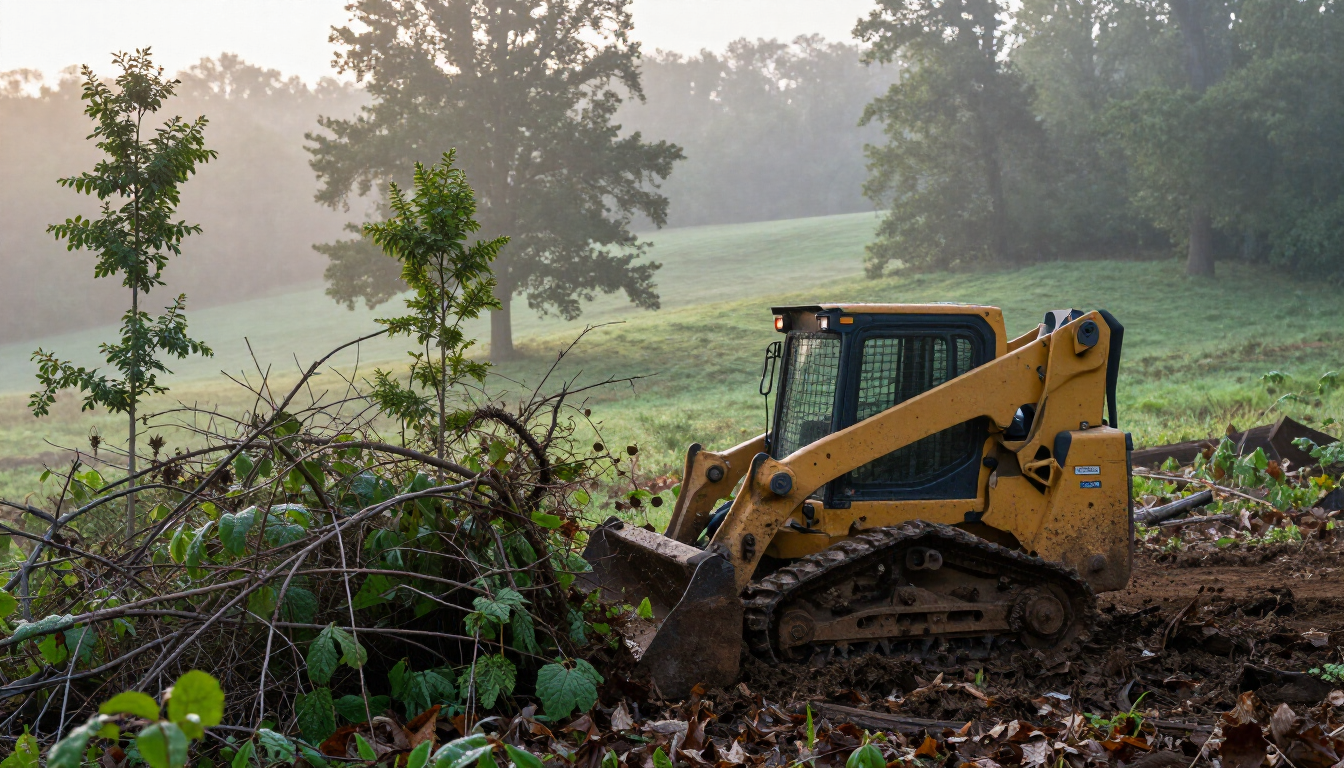
Land clearing is the very first physical step in the excavation process and is vital for any project starting on undeveloped property. This service involves the systematic removal of obstacles such as trees, stumps, brush, and large rocks that would otherwise prevent construction. In Middle Tennessee, where the landscape often features thick undergrowth and established hardwood forests, professional land clearing is essential to create a blank canvas for your home or commercial building. It is not just about making space; it is about creating a safe environment where heavy equipment can operate efficiently.
When land is cleared, contractors must decide what to do with the organic waste. Often, stumps are ground down or hauled away to prevent future sinkholes caused by rotting wood underground. This is a critical distinction between professional clearing and a quick DIY job—leaving organic matter buried beneath your future driveway or foundation can lead to significant settling and structural damage years down the road. Furthermore, clearing the land allows for a better visual assessment of the property's natural contours, which helps the excavation team plan for the most effective drainage solutions. By removing the obstacles, you gain a clear view of the potential and the challenges of your specific site.
Why is professional grading critical for drainage?
Grading is the process of leveling or sloping the ground to ensure that water flows away from structures and toward designated drainage areas. In Middle Tennessee, we experience significant rainfall throughout the year, making drainage management one of the most important aspects of site development. Without proper grading and excavating , water can pool around a building's foundation, leading to moisture intrusion, mold growth, and soil erosion that eventually weakens the structural supports. A professional contractor uses laser levels and GPS technology to ensure the ground is sloped exactly as the engineering plans dictate.
There are two main types of grading: rough grading and final grading. Rough grading occurs early in the project to set the initial levels and prepare for the foundation. Final grading happens toward the end of the project, smoothing the surface and preparing the soil for landscaping or paving. This final step is crucial for the aesthetic appeal of the property and for the long-term health of your lawn and gardens. Effective grading also includes the installation of erosion control features like silt fences or riprap in areas where water velocity might cause soil loss. By investing in professional grading, you are protecting your investment from the destructive power of uncontrolled water runoff.
The complexity of utility trenching in Middle TN
Modern properties require a complex network of underground services to function, including water lines, electricity, natural gas, and high-speed communication lines. Utility trenching is the process of digging precise, narrow channels in the earth to house these vital connections. While it may seem simple to dig a trench, it requires a high degree of accuracy and strict adherence to safety protocols. In Tennessee, excavators must coordinate with utility companies to ensure that existing lines are not damaged and that new utility installations are buried at the correct depth to avoid freezing or accidental damage.
The soil in Middle Tennessee can vary significantly within just a few feet, moving from soft topsoil to dense clay or solid limestone. Trenching through these varied materials requires different attachments and techniques. For instance, digging a trench for a main sewer line requires a specific slope to maintain gravity flow, which leaves no room for error. If the trench is even a few inches off, the system will not function correctly. Because utilities are often buried deep underground, the walls of the trench must be stabilized or sloped back to prevent cave-ins, ensuring the safety of the workers who must enter the trench to lay the pipes or cables. Professional trenching is the invisible backbone of modern living.
What is rock trenching and why is it needed?
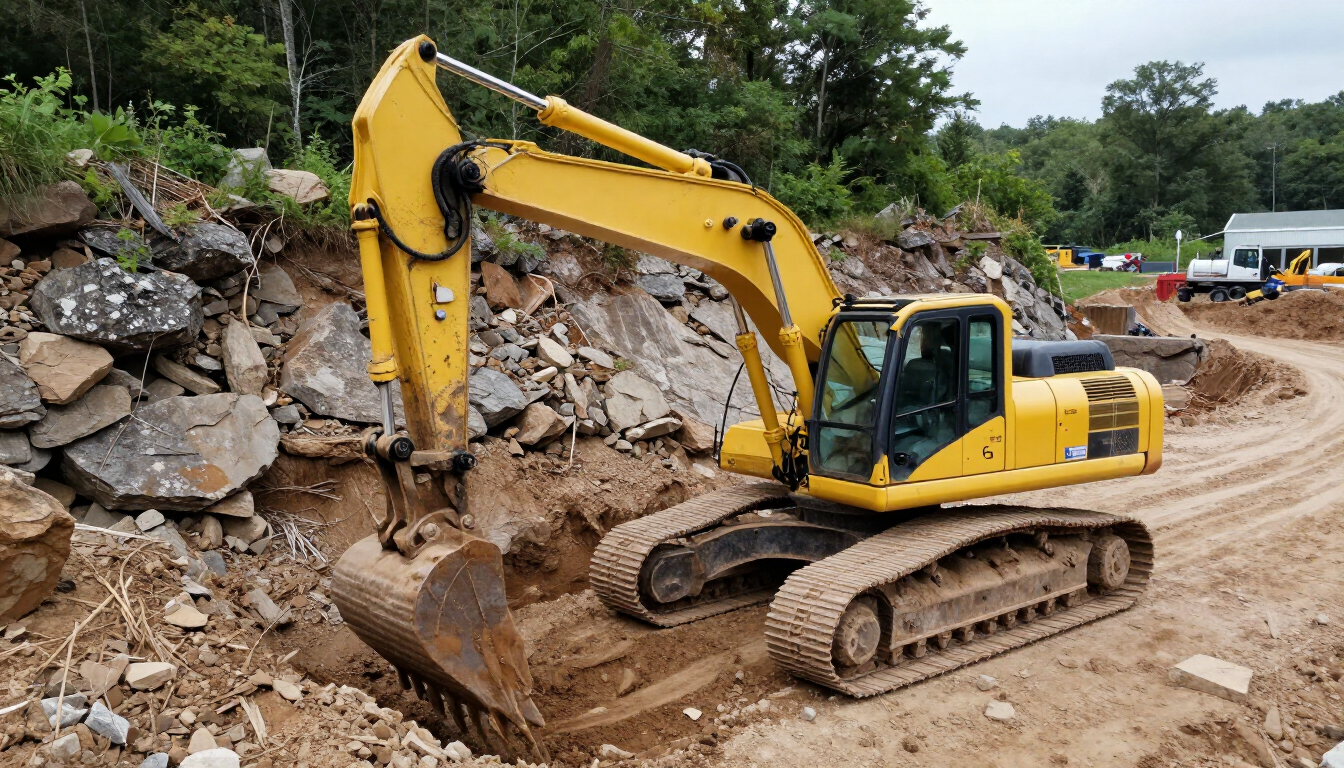
If you have ever tried to plant a tree in Nashville or Murfreesboro, you probably encountered our region's most famous geological feature: limestone. Much of Middle Tennessee sits on a thick layer of solid rock that is often just inches beneath the soil surface. Standard excavating equipment cannot easily penetrate this rock, which is where specialized rock trenching services become necessary. Rock trenchers are heavy-duty machines equipped with massive, diamond-tipped chains or drums designed to grind through solid stone, creating clean paths for pipes and utility lines.
Using a rock trencher is often much more efficient and less invasive than using a hammer attachment on a standard excavator. It creates a cleaner, more uniform trench and generates crushed rock that can sometimes be reused as backfill material. This specialized service is crucial for large-scale developments where miles of utilities must be installed across rocky terrain. Without these tools, construction costs would skyrocket due to the time required to break through the bedrock. Rock trenching allows contractors to maintain a steady schedule, even when the geography is working against them. It is a prime example of why hiring a contractor with the right equipment for the specific Middle Tennessee terrain is essential for project success.
Professional septic and sewer system installation
For many property owners in more rural or developing areas of Middle Tennessee, access to a municipal sewer system is not an option. In these cases, a private septic system is required to manage household waste. The installation of septic and sewer systems is a highly regulated excavation service that requires specific permits and inspections. A septic system consists of a large tank and a drain field, both of which must be buried at precise depths and locations to ensure environmental safety and system longevity.
Professional excavators work closely with soil scientists to determine the "percolation rate" of the soil, which dictates how large the drain field needs to be. Digging for a septic system is a delicate balance; the tank must be perfectly level, and the pipes leading to the drain field must have a consistent downward slope. If the soil is too rocky or the water table is too high, alternative systems may be required. Whether you are installing a new system or replacing an old sewer line connection, professional excavation ensures that waste is managed safely and that your property remains healthy and odor-free. This is one area where expert installation is non-negotiable for public health.
How to choose an excavation contractor in Nashville?
Selecting the right partner for your project is the most important decision you will make. When evaluating potential contractors, you should look for several key qualifications that separate professionals from amateurs. First, ensure they have extensive experience working with the specific soil and rock conditions of Middle Tennessee. A company that understands local geology will be better prepared for the challenges of your site. Additionally, verify that they have a fleet of well-maintained equipment suitable for the size of your job, from small residential clearing to large-scale utility work.
- Verify licensing and comprehensive insurance coverage.
- Ask for a detailed portfolio of local Our Services projects.
- Check for positive reviews and references from previous clients.
- Ensure they provide a clear, itemized quote for all services.
- Confirm their familiarity with local environmental and building permits.
Summary of Excavation Services
Excavation services are the essential starting point for any successful construction project in Middle Tennessee. By handling everything from the initial land clearing and grading to the complex installation of utilities and septic systems, professional contractors ensure your site is stable, safe, and ready for building. Understanding these services helps property owners make informed decisions and avoid costly mistakes. Key takeaways from this guide include:
- Excavation encompasses much more than just digging holes; it is complete site engineering.
- Proper grading is the most effective way to prevent long-term drainage and foundation issues.
- Specialized equipment, like rock trenchers, is often necessary for Middle Tennessee's limestone.
- Professional site preparation saves time and money by preventing structural failures.
- Always choose a licensed contractor with local experience and the right machinery for the job.
By prioritizing high-quality excavation and site preparation, you are setting the foundation for a durable, high-performing structure that will stand the test of time in the Nashville region.
Recent Posts