
Site Prep: How to Prevent Costly Foundation Failures
Site preparation is the foundational process of land clearing, grading, and excavating that stabilizes soil and ensures proper drainage. In Middle Tennessee, it is the most critical step to prevent foundation shifts, basement flooding, and costly delays, creating a safe, level surface for long-lasting structures.
Building a dream home, a new barn, or a commercial facility in Middle Tennessee is an exciting venture that requires significant planning. Whether you’re looking at a plot in the rolling hills of Franklin or a flat expanse in Murfreesboro, the success of your project rests entirely on what happens before the first brick is laid. Site preparation is often invisible once a building is finished, but it is the silent hero that keeps your structure standing tall and dry for decades. For many landowners, the temptation is to jump straight into the visible parts of construction, but skipping the nuances of dirt work is a mistake that can haunt a property for years. Understanding the technical requirements of preparing a lot is essential for any property owner who wants to protect their investment and ensure their building remains structurally sound.
Why is site preparation the most important step?
When people think about construction, they usually picture the framing, the roofing, and the beautiful interior finishes. However, any experienced Grading and Excavating contractor will tell you that the ground beneath those finishes is what truly matters. Site preparation is the primary defense against the natural elements and the physical weight of the structure. Without it, you are essentially building on a moving target. Proper preparation involves testing the soil, removing obstructions, and ensuring the land is shaped to handle the heavy rainfall common in Nashville and the surrounding areas. It is far cheaper to move dirt correctly today than it is to fix a cracked foundation ten years from now. By investing in the site prep phase, you are effectively buying insurance for your foundation.
The technical side of this process involves calculating soil compaction and load-bearing capacity. If the soil is too loose, the weight of a house or shop will cause it to sink unevenly. If it is too dense or contains too much clay without proper drainage, it will expand and contract with moisture changes, putting immense pressure on your footings. A professional site preparation plan accounts for these variables, providing a stable, engineered base that allows the rest of the construction crew to work with precision. When the site is level and the boundaries are clear, every other contractor—from the concrete pourers to the framers—can do their jobs faster and more accurately.
The Benefits of Professional Land Clearing
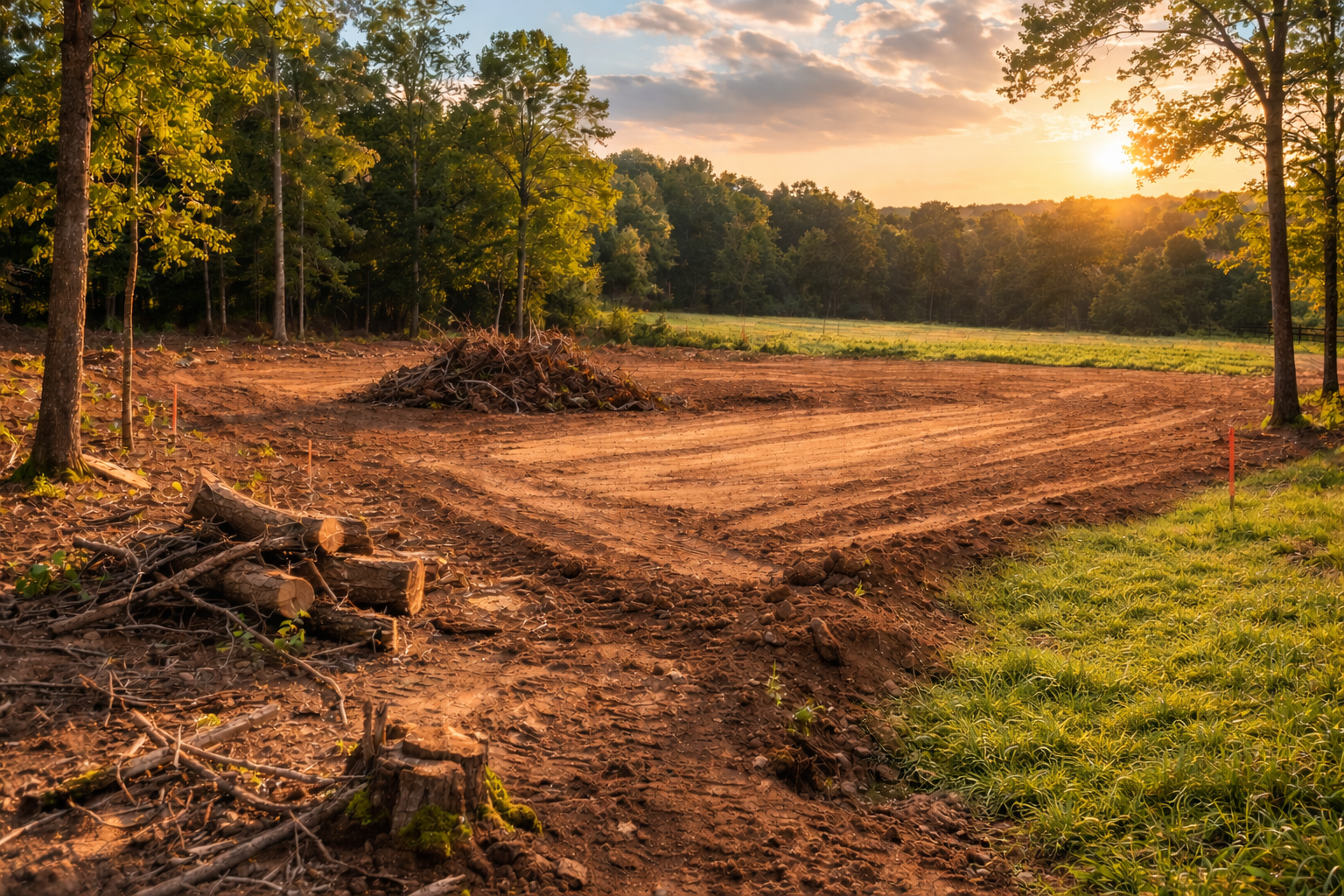
The first physical step in site prep is often clearing the land of brush, trees, and debris. While it might be tempting to just knock down trees and push them into a pile, professional Land Clearing goes much deeper—literally. Removing stumps and the root systems is vital because organic matter left in the soil will eventually rot. As that material decomposes over five to ten years, it creates "voids" or air pockets in the earth. If your foundation or driveway sits on top of these voids, the soil will eventually collapse, leading to sinkholes or significant structural settling. Professional clearing ensures that only stable, inorganic material remains in the building envelope.
- Removes invasive brush and dense thickets efficiently.
- Eliminates stumps that cause long-term underground rot.
- Clears a safe, visible workspace for heavy machinery.
- Identifies hidden rock formations early in the process.
- Prepares the soil surface for initial grading and leveling.
How does grading prevent drainage issues?
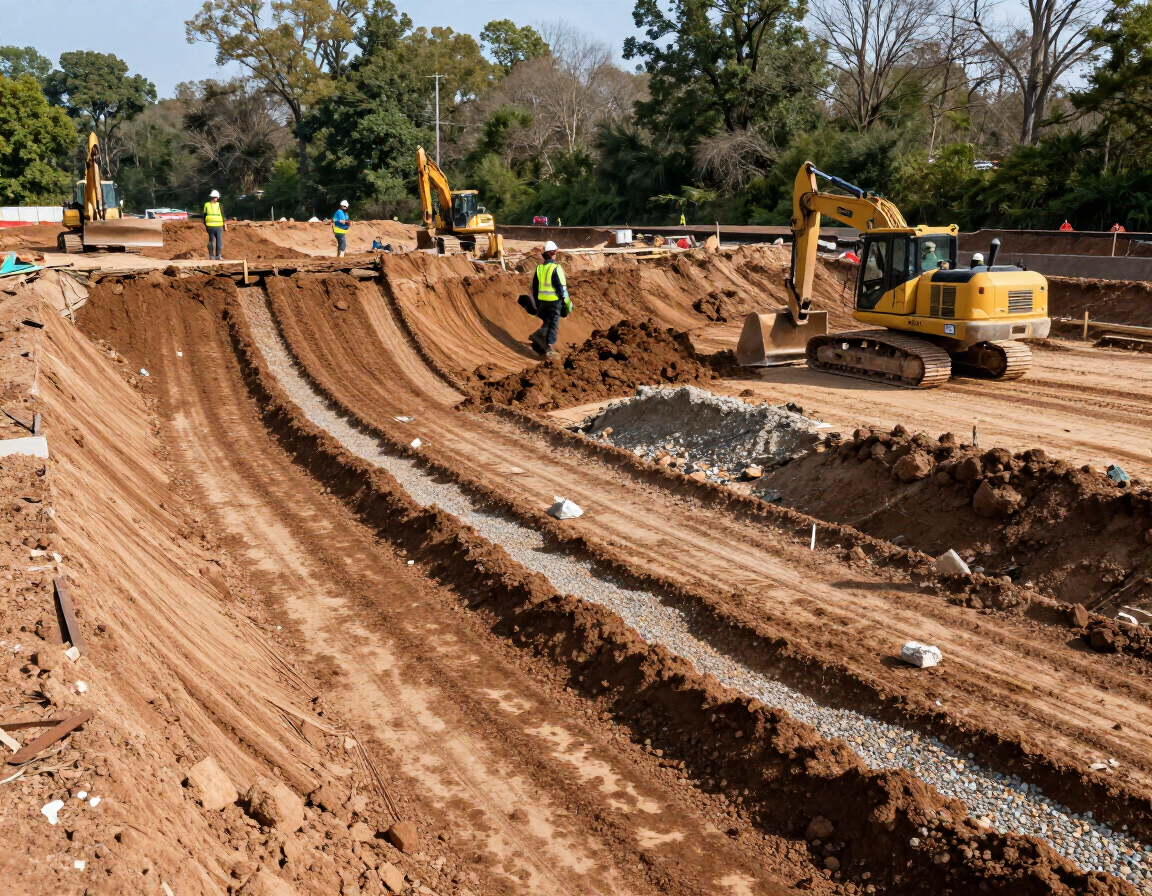
Grading is the art of sculpting the land to control how water moves across the surface. In Middle Tennessee, we deal with a mix of heavy limestone and thick clay, neither of which absorbs water very quickly. If your site isn't graded with a precise slope away from the building, water will pool against your foundation. This leads to hydrostatic pressure, which can crack basement walls and cause chronic dampness or mold in crawlspaces. Effective grading creates "sheet flow," where water moves evenly across the surface into designated swales or drainage systems, keeping your property dry even during a spring downpour. This step is often the difference between a dry, usable basement and a perpetual renovation project.
Why is professional excavation critical for foundations?
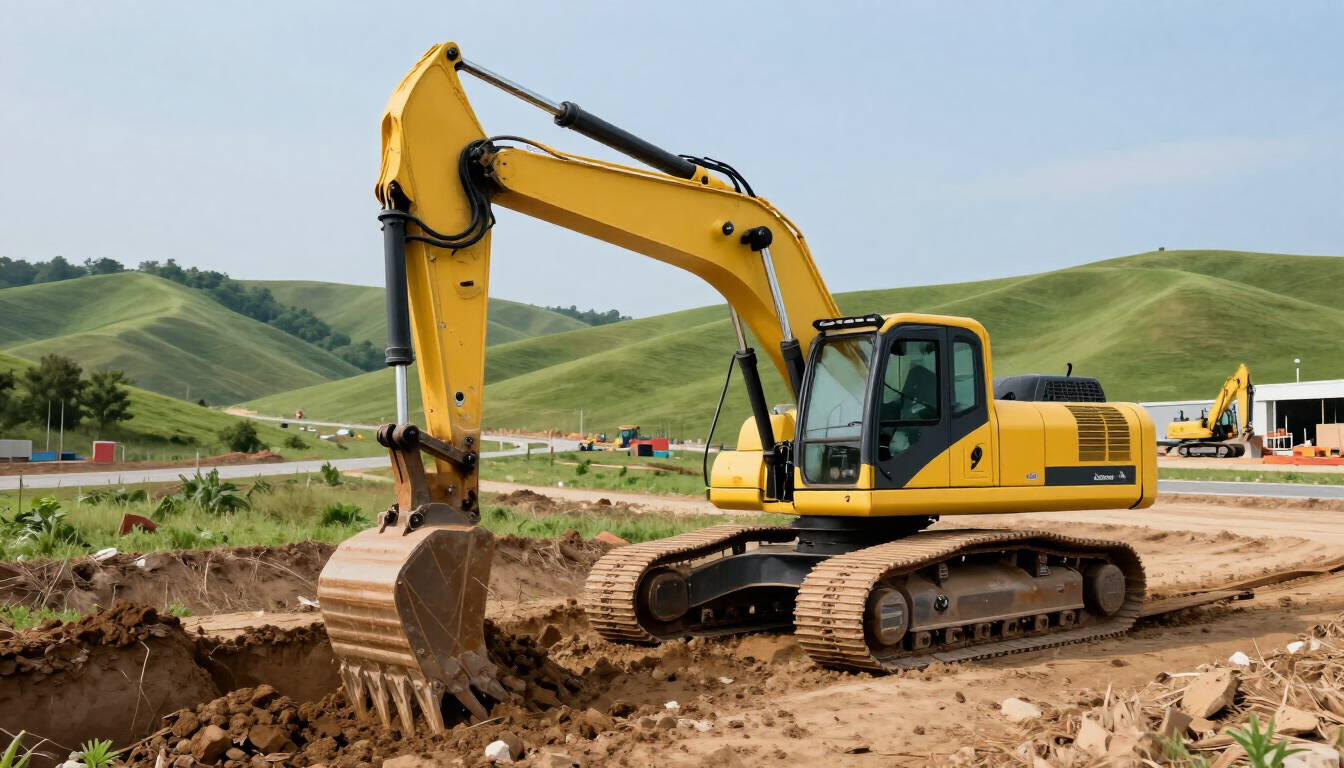
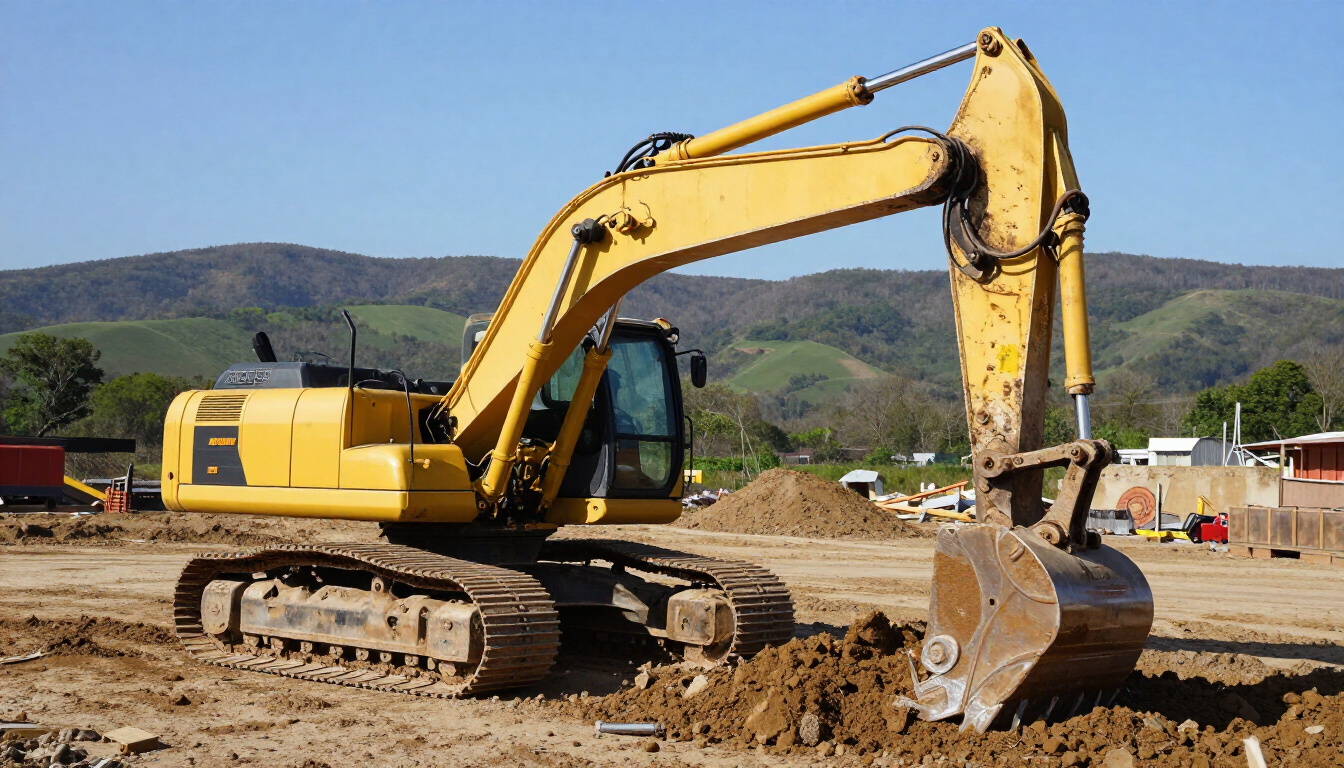
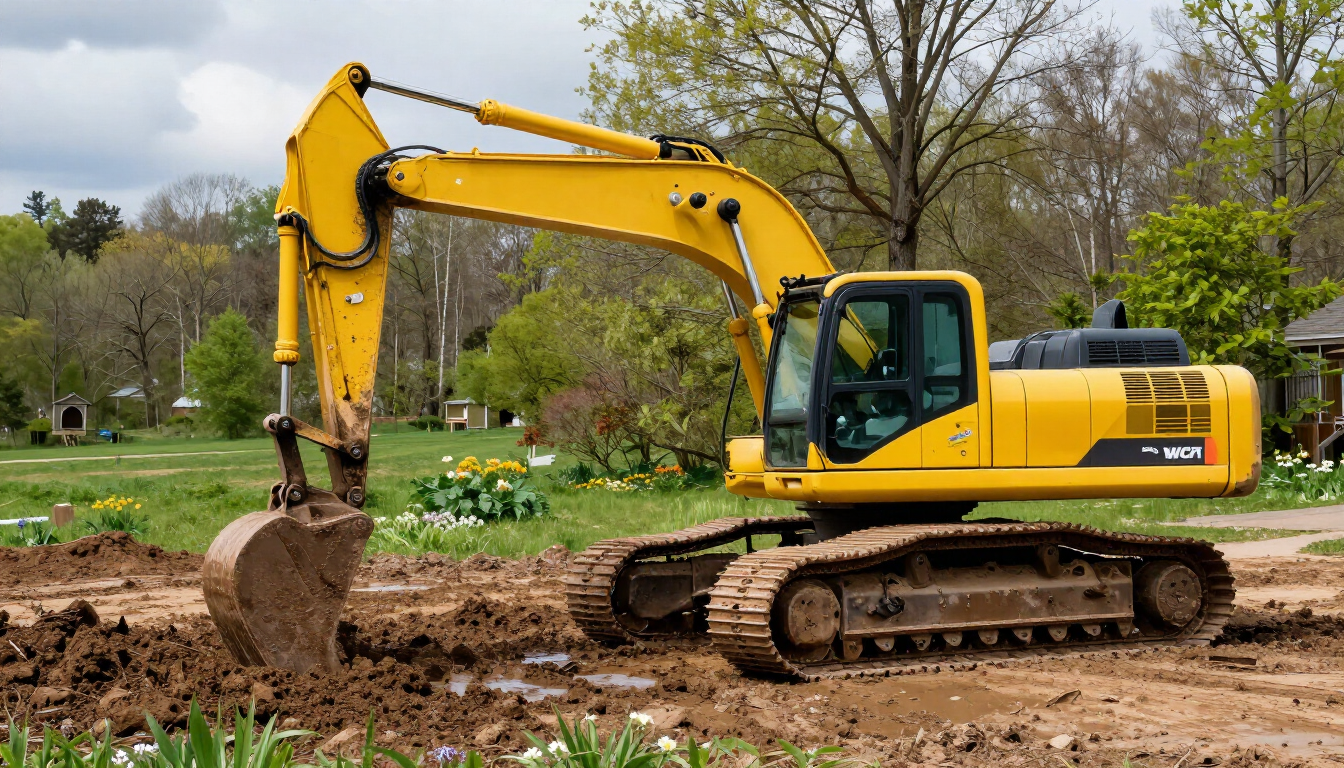
Excavation is more than just digging a hole; it’s about reaching the specific soil layers that can handle the weight of your building. Our local soil layers can be deceptive. A site might look solid on top, but a few feet down, you might hit soft "fat clay" or a layer of loose rock. A professional excavator knows how to dig to the correct depth specified by engineers to ensure the weight of the building is distributed safely. This process also includes "over-excavating" and backfilling with structural fill when the natural soil isn't strong enough. This level of precision is what prevents the uneven settling that causes doors to stick and windows to crack. Furthermore, a skilled operator knows how to keep the walls of the excavation stable, protecting the safety of the workers who will eventually step into the trench to set the footings.
Common Problems Caused by Poor Excavation
Cutting corners during the initial dig is a recipe for disaster. We have seen many property owners try to save money by using inexperienced operators or DIY equipment, only to face massive repair bills later when the structure begins to fail. The costs of remedial foundation work often exceed the original cost of the entire site preparation package by three or four times. Beyond the structural risks, poor excavation can lead to immediate site hazards that delay the project for months.
- Differential settlement leading to catastrophic structural failure.
- Flooded crawlspaces due to poor elevation and drainage planning.
- Accidental damage to existing underground gas or water lines.
- Soil erosion that undermines sidewalks, patios, and driveways.
- Inability to pass municipal building and safety inspections.
How do I prepare for utility installation?
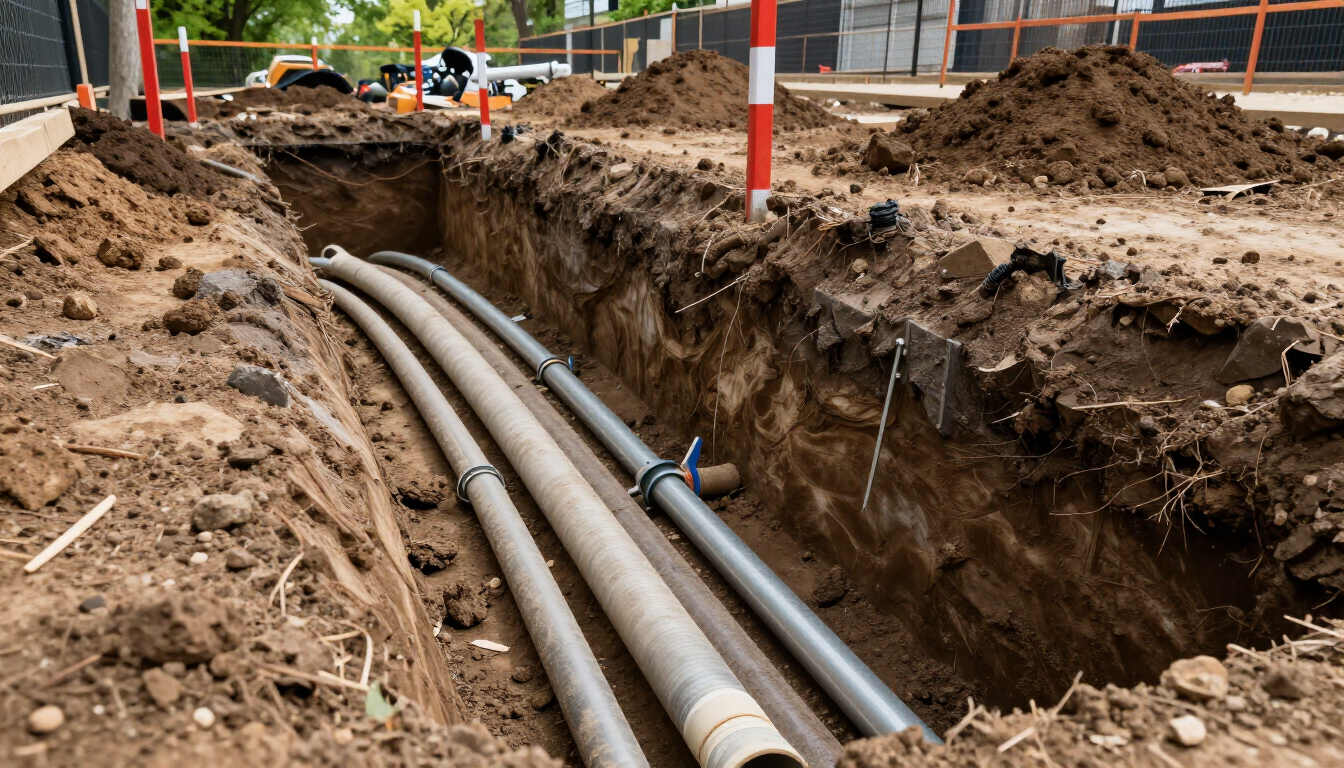
Once the site is cleared and the rough grade is set, it’s time to bring in the lifeblood of the building: Utilities . This includes water lines, electrical conduits, storm drainage, and fiber optic communication lines. These must be installed at specific depths to prevent freezing or accidental damage during future landscaping or maintenance. In many parts of Middle Tennessee, reaching these depths requires specialized Rock Trenching because of the shallow limestone shelf that sits just below the surface. Planning your utility layout during the site prep phase ensures that everything is buried safely before the final grading and paving begin, preventing the need to dig up your new yard or driveway later. It is a strategic dance that requires coordination between the excavator and the utility providers to ensure everything is positioned correctly for the final hookup.
Middle Tennessee Site Prep Challenges
Middle Tennessee presents a unique set of challenges for contractors and property owners alike. Our soil is often heavy in "chert" or clay, which holds moisture and expands and contracts significantly with the seasons. This movement can be devastating for foundations that aren't properly reinforced or drained. Furthermore, the presence of limestone bedrock—often just inches below the grass—means that traditional digging methods aren't always enough to reach the necessary depths for footings or septic tanks. You need a contractor who understands how to navigate these geological hurdles without blowing your budget or timeline. Whether it's managing karst topography (sinkhole-prone areas) or utilizing heavy-duty hammers for rock removal, local expertise is non-negotiable for a successful build in this specific region. Knowing how the land behaves in February versus August is the key to a stable site.
Protecting Your Investment with Erosion Control
Construction disrupts the natural state of the land, stripping away grass and roots that normally hold the earth in place. This leaves your soil vulnerable to being washed away by the first heavy rain. Implementing robust Erosion Control measures is not just a legal requirement for most municipalities; it's a way to protect your physical investment. Silt fences, straw matting, and temporary seeding keep your expensive topsoil on your lot instead of in the neighbor's yard or the local storm drain. Proper erosion management during site prep ensures that the carefully sculpted grades you just paid for remain intact until the grass can take root and provide permanent stabilization. It also prevents the environmental damage that can lead to heavy fines from local authorities, keeping your project in good standing with the community.
Conclusion: Summary of Key Takeaways
Site preparation is the most vital investment you will make in your construction project. By focusing on professional land clearing, precise grading, and expert excavation, you protect your future home or business from the ground up. In Middle Tennessee, the combination of complex soil and rocky terrain makes this step even more critical for long-term stability. If you are ready to start your project the right way and avoid the pitfalls of poor drainage or foundation failure, Contact us today to discuss how we can prepare your site for a lifetime of durability.
- Proper site prep prevents foundation cracks and water damage.
- Professional land clearing eliminates future sinkholes from rotting debris.
- Correct grading is the only permanent solution for site drainage issues.
- Utility planning during excavation saves time and prevents future yard damage.
- Local expertise is essential for navigating Middle Tennessee's unique rocky soil.
Recent Posts